
The Short Answer: Why Do Lights Keep Flickering?
Why do lights keep flickering in your home? In most cases, it comes down to one of three things: a loose connection, an incompatible dimmer switch, or an overloaded circuit. While occasional flickers can be harmless, persistent or widespread flickering is a warning sign that should never be ignored — especially in older Melbourne homes where wiring may be well past its use-by date.
Common Causes of Flickering Lights in Melbourne Homes
Flickering lights are one of the most frequently reported electrical concerns in Australian households. The cause can be as simple as a loose globe or as serious as deteriorating wiring in your switchboard. Understanding the difference could protect your home — and your family.
Loose or Faulty Globe Connections
The most straightforward reason your lights flicker is a globe that isn’t seated properly in its fitting. This is especially common with bayonet-style fittings, which are standard across most Melbourne homes. Try switching off the light, letting it cool, and reseating the globe firmly before assuming anything more serious is going on.
Incompatible Dimmer Switches
If you’ve recently switched to LED globes and your lights have started flickering, your dimmer switch is likely the culprit. Many older dimmer switches were designed for incandescent or halogen globes, and they simply don’t play well with LED technology. Upgrading to an LED-compatible dimmer is a relatively straightforward fix that a licensed electrician can handle quickly.
Voltage Fluctuations and Overloaded Circuits
Melbourne homes — particularly those running ducted air conditioning, electric ovens, and multiple appliances simultaneously — can experience voltage fluctuations when large appliances kick on. You might notice the lights dim briefly when your air conditioner starts up. This is normal to a small degree, but if it’s happening frequently or severely, your circuits may be overloaded.
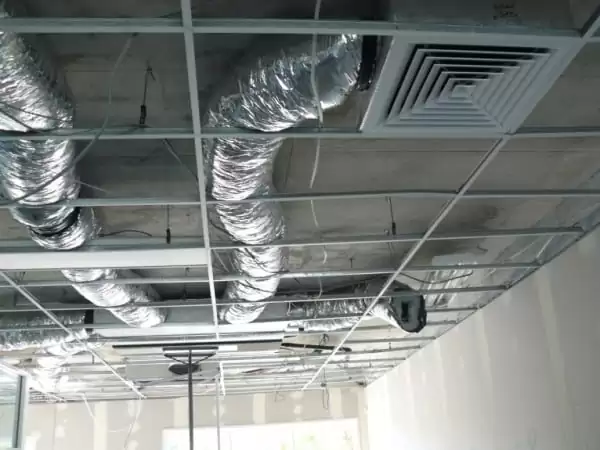
If you’re running high-demand systems like ducted air conditioning in Carrum Downs alongside other heavy loads, it’s worth having your electrical load assessed by a professional.
Loose Wiring in the Switchboard or Wall
This is where things get serious. Loose wiring — whether at the switchboard, inside a wall cavity, or at a power point — can cause intermittent flickering and, more importantly, arcing. Electrical arcing is a leading cause of house fires in Australia. If your flickering is widespread, affects multiple rooms, or is accompanied by buzzing sounds or a burning smell, treat it as an emergency.
Ageing Wiring and Outdated Switchboards
Many Melbourne homes built before the 1980s still have original wiring — including older rubber-insulated cables that degrade over time. Homes with ceramic fuse boards rather than modern circuit breakers are particularly at risk. The insulation on ageing wiring can crack and flake, creating dangerous fault conditions that manifest as flickering lights before anything more dramatic occurs.
Is Flickering Dangerous? How to Tell the Difference
Not every flicker signals danger, but knowing what to look for helps you make the right call. Here’s a quick checklist to help you assess the situation:
- Single globe flickering: Usually a loose fitting or a globe nearing the end of its life — low risk, easy fix.
- Flickering only when an appliance turns on: Likely a load issue on that circuit — monitor it and have it checked.
- Flickering across multiple rooms: Could indicate a problem at the switchboard or the main supply — call a licensed electrician promptly.
- Flickering with buzzing, burning smell, or discolouration at switches: Stop using the affected circuit immediately and call an electrician — this is a potential fire hazard.
- Flickering during storms or high winds: May indicate a loose connection on the service line — contact your electricity distributor (e.g. AusNet or United Energy) as well as an electrician.
What You Can Safely Check Yourself
There are a few things you can investigate without touching any wiring or opening your switchboard. Always switch the light off at the wall before handling any globe or fitting.
Check that globes are properly seated and not damaged. If you have LED globes on a dimmer, try replacing the dimmer with an LED-compatible model — you can purchase these at most hardware stores. Also check whether the flickering correlates with a specific appliance starting up, which can help your electrician diagnose the issue faster.
Do not attempt to open your switchboard, inspect internal wiring, or replace circuit breakers yourself. Under Australian law, all electrical wiring work must be carried out by a licensed electrician. You can read more about electrical safety obligations on the WorkSafe Victoria electrical safety page.
Why Melbourne Homes Are Particularly Susceptible
Melbourne’s mix of heritage homes, rapid suburban development, and extreme weather variability — from scorching summer days to cold, wet winters — puts unique demands on residential electrical systems. Summer heat causes conductors to expand and contract, which can loosen connections over time. Homes in newer suburbs running multiple split systems or ducted air conditioning in Langwarrin and surrounding areas are also placing greater loads on electrical infrastructure than was ever originally anticipated.
Regular electrical safety inspections are one of the most effective ways to stay ahead of these issues before they become costly — or dangerous.
When to Call a Professional
If your flickering lights are persistent, affect more than one room, or come with any additional warning signs like buzzing, burning smells, or tripped breakers, it’s time to stop guessing and call a licensed electrician. This is not a situation where a wait-and-see approach is appropriate.
The team at Goldworks Electrical services Melbourne homes across the south-eastern suburbs, offering thorough electrical inspections, switchboard upgrades, and fault diagnosis. Don’t wait for a small flicker to become a serious hazard — book a safety inspection today.
Conclusion
Flickering lights are your home’s way of telling you something isn’t right. The cause might be as minor as a loose globe or as serious as deteriorating wiring — and the only way to know for certain is to investigate properly. Start with the simple checks, but don’t delay if the problem persists or spreads.
Goldworks Electrical is here to help Melbourne homeowners get to the bottom of electrical faults quickly and safely. For more practical electrical advice, visit the Goldworks Electrical blog — or reach out directly to book a licensed electrician for your home.
Frequently Asked Questions
Why do lights keep flickering even after I’ve replaced the globe?
If a new globe still flickers, the issue is likely beyond the globe itself. Common culprits include a loose fitting, an incompatible dimmer switch, or a wiring fault in the circuit. If replacing the globe doesn’t resolve it, have a licensed electrician inspect the fitting and circuit.
Is it normal for lights to flicker when the air conditioner turns on?
A very brief, minor dimming when a large appliance starts is relatively common due to the initial power draw. However, if the flickering is significant or happens repeatedly throughout the day, your circuit may be overloaded or there may be a loose connection — both of which warrant a professional assessment.
Can flickering lights cause a house fire?
Yes, in some cases. Flickering caused by loose or arcing wiring can generate heat and sparks inside wall cavities, which is a known cause of electrical fires. If your flickering is accompanied by buzzing sounds, burning smells, or discoloured switch plates, treat it as an urgent safety issue and contact a licensed electrician immediately.
How often should I have my home’s wiring inspected in Melbourne?
For homes older than 25 years, or those that haven’t had a professional inspection in some time, an electrical safety inspection every five years is a sensible approach. Older homes with original wiring or ceramic fuse boards should be inspected sooner. A licensed electrician can identify potential hazards before they become dangerous faults.