
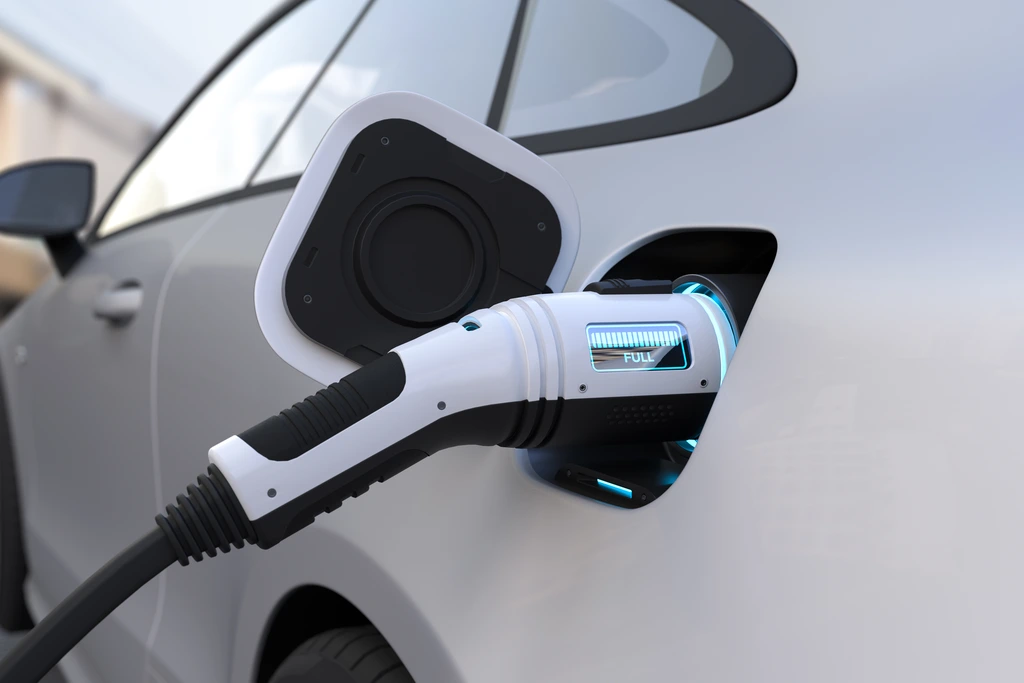
Electric vehicles have gone from a rare sight on Melbourne roads to something you’ll spot in almost every street. But buying the car is only half the story. Once that EV is parked in your driveway, most owners run into the same question: how do you actually keep it charged without adding hours to your week or putting strain on your home’s wiring?
That’s where proper EV charger installation comes in. It’s no longer just something early adopters bother with; it’s becoming a normal part of owning an electric vehicle in Melbourne. This article looks at why a dedicated home charger is worth it, what the installation process actually involves, and what to check before you book anyone in.
Why a Regular Power Point Isn’t Really Built for This
When people first get their EV, plugging it into a standard household power point feels like the obvious move. It’s already there, it costs nothing extra to use, and you don’t need to call an electrician.
The problem shows up once you look at what’s actually happening behind the wall. A standard 10 amp power point delivers what’s called a trickle charge – slow, and not really designed with an electric vehicle in mind. Depending on the car, that can mean 20 hours or more just to get back to a full battery.
There’s a practical side to this and a safety side:
- Practical: if you drive most days, a power point simply can’t keep pace with your actual usage. You end up topping up in bits and pieces instead of charging properly overnight.
- Safety: power points and their circuits are generally built for short bursts – a kettle, a laptop charger, that kind of load. An EV draws power steadily for hours at a stretch, night after night. Older wiring and circuits shared with other appliances weren’t built for that kind of continuous demand, and over time it can lead to overheating or nuisance tripping.
It’s not usually a dramatic problem overnight. It’s more of a slow-building risk, which is exactly why most licensed electricians will steer you away from relying on a standard socket long-term.
Power Point vs. Dedicated EV Charger
Here’s how the two options actually compare for a typical Melbourne home:
| Standard Power Point | Dedicated Level 2 EV Charger | |
| Charging speed | Roughly 8–15 km of range per hour | Roughly 30–100 km of range per hour |
| Circuit | Shares an existing household circuit | Runs on its own dedicated circuit |
| Full charge time | Often 20+ hours | Typically overnight |
| Ongoing safety risk | Higher, due to sustained load on a non-dedicated circuit | Low – built for continuous EV charging |
| Smart features (solar sync, app control, scheduling) | None | Available on most units |
The gap in charging speed alone explains why most EV owners move to a dedicated charger fairly quickly once the novelty of “it’s fine for now” wears off.
What Actually Happens During Installation
A home EV charger installation isn’t just mounting a box on the wall and running a cable to it. There’s a process behind it, and knowing what to expect helps set realistic expectations before the job starts.
- Site assessment: The electrician checks where your switchboard sits, how far it is from your parking spot, and the best position to mount the charger. Garage layout, carport position, and even which way your driveway faces can all shape the recommendation.
- Switchboard capacity check: This is the step that catches a lot of homeowners off guard. A dedicated EV charger needs its own circuit breaker, and not every switchboard has room for that – particularly in older Melbourne homes with dated wiring. A good electrician checks this upfront and tells you honestly whether your existing board can take it, or whether a switchboard upgrade is needed first. Better to know this before committing to a charger than to find out halfway through the job.
- Charger selection. Not every charger suits every household. Power output, compatibility with your specific vehicle, smart charging features, and whether it needs to work with an existing solar system are all worth thinking through rather than grabbing whatever’s cheapest on the shelf.
- Installation and testing. Once it’s fitted and wired in, the charger is tested to confirm it’s communicating properly with your vehicle. A decent installer will also show you how to use it, including any app or scheduling features, before they pack up.
Most straightforward residential jobs take between two and four hours. That can stretch out a bit if the switchboard is a fair distance from the parking area, or if upgrade work needs to happen first.
Charging From Your Own Solar Panels
If your home already has solar panels, this is one of the more underrated parts of installing a dedicated charger. A smart EV charger can be set to prioritise your own solar generation for vehicle charging during the day, rather than pulling from the grid by default.
In plain terms: the power charging your car can come largely from your own roof rather than your electricity retailer. How much of a dent that makes in your running costs depends on your household’s usage patterns and how much solar capacity you’ve got, but paired with the fuel savings you’re already getting from switching to an EV, it adds up over a year. Worth raising during your consultation if solar is part of the picture – not every charger supports this out of the box, so it pays to ask before you buy.
Single-Phase or Three-Phase: Does It Matter?
Most Melbourne homes run on single-phase power, and for the majority of EV owners that’s genuinely fine. A single-phase Level 2 charger delivers up to around 7 kilowatts, which is generally more than enough to fully charge a car overnight.
Some newer homes, and a number of older ones that have since been upgraded, run three-phase power instead. If that’s your setup, a three-phase charger can push output up to 22 kilowatts and cut charging times noticeably. It’s not something every household needs – but if you’ve got a bigger battery, drive high daily kilometres, or just want the fastest possible charge at home, it’s worth asking whether three-phase is available at your property.
Either way, a good EV charger installer in Melbourne will talk you through which setup actually suits your car and how you drive, rather than steering you toward whatever’s most expensive.
Why It’s Worth Doing Properly, Not Just Doing It Cheap
There’s a longer-term case for a proper installation too, beyond day-to-day convenience. As EV ownership keeps growing across Melbourne’s south-east, a home with an existing, correctly installed charger becomes a genuine point of difference if you ever sell. For a buyer who owns or is considering an EV, that’s one less thing they have to sort out themselves.
There’s also the simple fact that once it’s installed correctly, you stop thinking about it. You plug in when you get home and the car’s ready in the morning – no extension cords, no watching the clock, no wondering if the circuit’s coping.
A few questions worth asking any installer before you book them in:
- Will they check your switchboard capacity before quoting, not after?
- Are they licensed for the electrical work involved, and does the job meet current Australian Standards?
- Can they recommend a charger based on your actual vehicle, rather than pushing one brand regardless of fit?
- Do they offer guidance on solar integration if you have or are planning a solar system?
- Is pricing upfront, including the possibility of switchboard work, before anything starts?
An installer who answers these clearly and early usually saves you time, money, and a fair bit of frustration compared with whoever quoted the lowest number.
Government Support for EV Charging Infrastructure
Government incentives and rebates for EVs and EV charging infrastructure shift fairly often at both state and federal level, so it’s worth checking current offerings before you install rather than going off old information. The Victorian Government’s zero emissions vehicle initiatives page is a reliable place to check what support is currently available for Victorian homeowners and businesses.
Getting It Done Properly
An EV charger is one of those upgrades that quietly pays for itself in convenience, on top of the safety benefits of moving off a standard power point. For Melbourne homeowners, especially across the south-east, it’s becoming less of an optional extra and more of a standard part of owning an electric vehicle.
The key is getting it assessed and installed properly from the start – the right charger, on the right circuit, by someone who checks your switchboard honestly instead of assuming it’ll be fine. That’s where a local, licensed electrician who does this work regularly makes the difference.
If you’re weighing up a home EV charger installation in Melbourne’s south-east, our team at Goldworks Electrical can walk you through the whole process, from site assessment to switchboard checks to final testing. Get in touch for a free quote, and we’ll give you a clear, honest picture of what your installation involves before you commit to anything.