
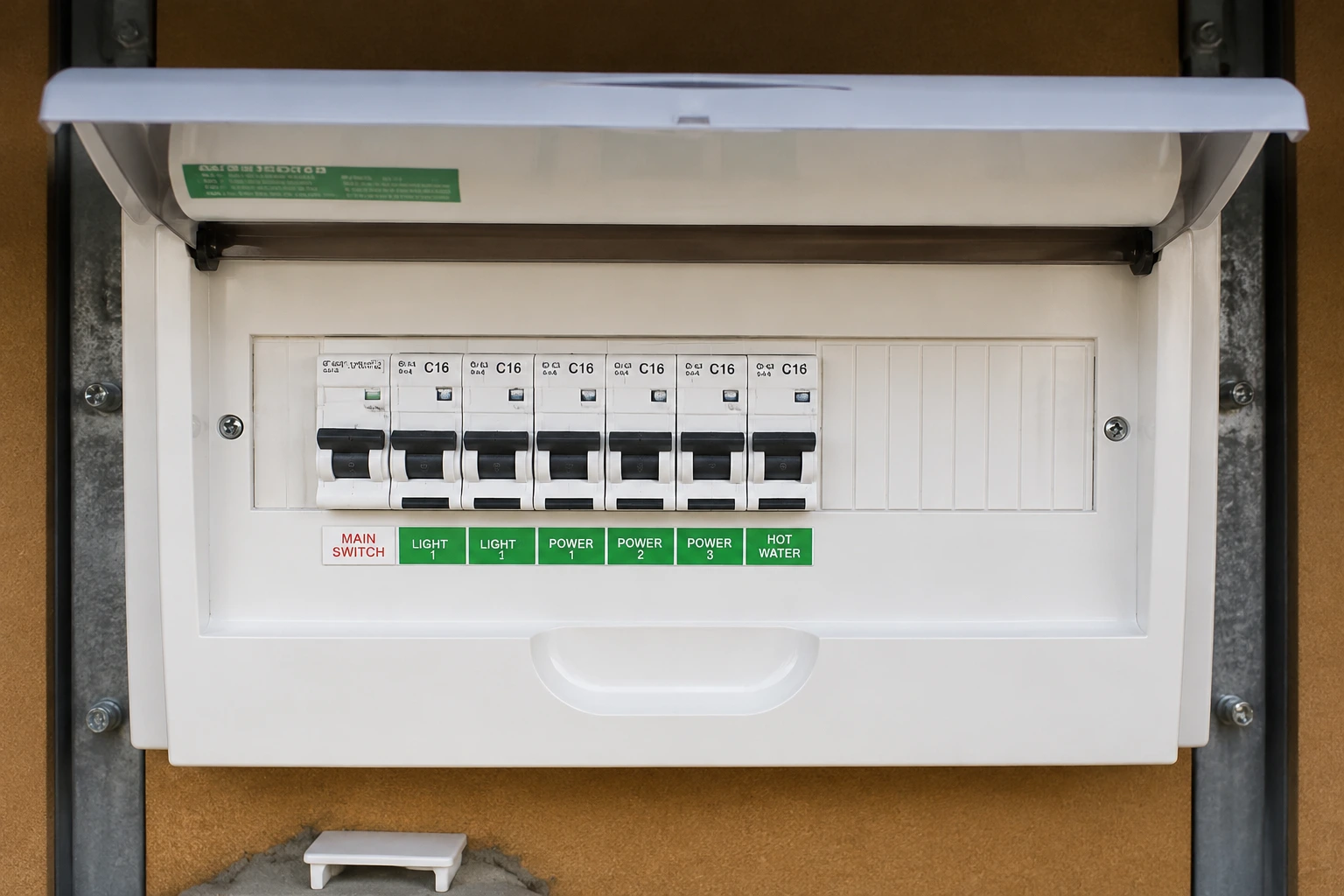
A safety switch keeps tripping because it detects an electrical fault, such as current leaking to the ground, a faulty appliance, damaged wiring, or a problem within your electrical system. If your safety switch repeatedly turns off power, it is protecting you from a potential electric shock or electrical hazard and should be investigated.
Understanding Why Does a Safety Switch Keep Tripping can help you identify whether the issue is caused by a simple appliance fault or a deeper electrical problem. In Melbourne homes, where older properties often have ageing wiring and increased use of electrical devices, repeated tripping should never be ignored.
What Does a Safety Switch Actually Do?
A safety switch, also known as a residual current device (RCD), is designed to monitor the flow of electricity through your circuits. When it detects an imbalance between the electricity flowing into a circuit and returning from it, the switch automatically cuts power to reduce the risk of electric shock.
Unlike a standard circuit breaker, which mainly protects electrical equipment from overloads and short circuits, a safety switch focuses on protecting people. Australian electrical regulations require safety switches in many residential and commercial applications because they provide an important layer of electrical safety.
In Victoria, safety switches must comply with relevant Australian Standards, including AS/NZS 3000, commonly known as the Australian Wiring Rules. These requirements help ensure electrical installations are safe and properly maintained.
Common Reasons Why Does a Safety Switch Keep Tripping
If you are wondering Why Does a Safety Switch Keep Tripping, there are several common causes that electricians regularly find during inspections and repairs.
1. Faulty Appliances
One of the most common causes is a damaged or faulty appliance. Electrical devices can develop internal faults over time, causing electricity to leak where it should not.
Common problem appliances include:
- Washing machines with damaged internal wiring
- Old refrigerators with insulation issues
- Outdoor equipment exposed to moisture
- Heaters with worn components
- Kitchen appliances with electrical faults
A simple way to check is to unplug appliances, reset the safety switch, then reconnect each device individually. If the switch trips after reconnecting a particular appliance, that item may require repair or replacement.
2. Damaged Electrical Wiring
Ageing or damaged wiring can also cause repeated safety switch trips. This is especially common in older Melbourne properties where electrical systems may not have been upgraded for modern energy demands.
Signs of possible wiring problems include flickering lights, burning smells, buzzing sounds near outlets, or power interruptions affecting multiple areas of the property.
Electrical faults behind walls are not always visible, which is why professional testing equipment is often required to locate the exact issue.
3. Moisture and Water Exposure
Electricity and moisture create serious safety risks. Outdoor power points, garden lighting, bathrooms, laundries, and areas near plumbing can experience moisture-related faults.
A safety switch may trip after heavy rain, cleaning activities, or water entering electrical components. These situations should be treated carefully because moisture-related faults can increase the risk of electric shock.
4. Overloaded Circuits
Although safety switches are not designed specifically for overload protection, overloaded electrical systems can contribute to recurring issues when combined with other faults.
Modern households often run many high-powered appliances at once, including air conditioners, electric ovens, dryers, and charging equipment. Older switchboards may struggle to handle increased demand without upgrades.
How To Troubleshoot a Tripping Safety Switch Safely
Before arranging electrical repairs, you can complete a few basic checks to narrow down the cause. However, you should never remove electrical covers, inspect internal wiring, or attempt repairs yourself.
Try these steps:
- Turn off and unplug appliances connected to the affected circuit.
- Reset the safety switch and check whether power remains on.
- Plug appliances back in one at a time to identify a possible faulty device.
- Check outdoor electrical equipment for visible moisture or damage.
- Contact a licensed electrician if the safety switch continues tripping.
These simple checks can help identify obvious issues while keeping you safe. If the problem continues, professional testing is the safest solution.
Why Regular Electrical Inspections Matter in Melbourne Homes
Electrical faults can develop gradually, making them difficult for homeowners to notice until a safety device activates. Regular electrical inspections help identify issues before they become more serious.
Homes with older switchboards, renovations, additional electrical appliances, or previous DIY electrical work may benefit from an electrical assessment.
Goldworks Electrical helps Melbourne property owners identify electrical faults, improve safety, and maintain reliable electrical systems through professional inspections and repairs.
Is It Safe To Keep Resetting a Safety Switch?
Repeatedly resetting a safety switch without finding the cause is not recommended. The switch is designed to activate when it detects a potential danger, so frequent trips indicate that something needs attention.
While a single trip caused by a faulty appliance may be easy to resolve, ongoing problems can point to wiring faults, damaged components, or electrical system issues.
Ignoring the warning signs may increase the risk of equipment damage or electrical hazards. Addressing the cause early helps maintain a safer property.
When to Call a Professional
You should contact a licensed electrician if your safety switch continues to trip after basic troubleshooting, or if you notice signs such as burning smells, unusual noises, damaged power points, or frequent electrical interruptions.
Goldworks Electrical provides professional electrical fault finding and repair services throughout Melbourne. Their experienced team can test your electrical system, identify the source of the fault, and recommend practical solutions to restore safety and reliability.
Conclusion
A safety switch that keeps tripping is usually a sign that your electrical system has detected a fault. Whether the cause is a faulty appliance, damaged wiring, moisture exposure, or an electrical system issue, the safety switch is working to protect you.
Understanding Why Does a Safety Switch Keep Tripping helps you take the right first steps while knowing when professional support is needed. If you are experiencing ongoing electrical problems in Melbourne, contact Goldworks Electrical for reliable assistance and expert electrical solutions.
Frequently Asked Questions
Why does my safety switch keep tripping at night?
A safety switch may trip at night because certain appliances, such as hot water systems, heating equipment, or outdoor lighting, activate during those hours. A faulty appliance or wiring issue may only appear when that equipment starts operating.
Can a faulty appliance cause a safety switch to trip?
Yes. A damaged appliance can create an electrical leakage fault, causing the safety switch to disconnect power as a safety measure. Testing appliances individually can help identify the problem.
Should I replace my safety switch if it keeps tripping?
A safety switch that repeatedly trips does not always need replacement. The underlying electrical fault should be identified first, as replacing the switch may not fix the actual problem.
How often should safety switches be tested?
Safety switches should be tested regularly using the test button according to manufacturer instructions. Many experts recommend checking them every three months to ensure they continue operating correctly.