
Knowing how to reset a circuit breaker in an apartment is one of the most practical skills any Melbourne renter can have. When your power suddenly cuts out — mid-cook, mid-shower, or right in the middle of a summer heatwave — a tripped circuit breaker is usually the culprit. In most cases, you can restore power yourself in under two minutes, safely and without any tools.
What Is a Circuit Breaker and Why Does It Trip?
A circuit breaker is a safety switch inside your electrical switchboard that automatically cuts power to a circuit when it detects a fault or overload. Think of it as your apartment’s built-in protection against electrical fires and damaged appliances. When too much current flows through a circuit — or a fault is detected — the breaker trips to prevent serious damage.
In Melbourne apartments, tripped breakers are especially common during summer when air conditioners, fans, and fridges all run simultaneously. Overloaded power boards, faulty appliances, and short circuits are the three most frequent causes you’ll encounter as a renter.
Where to Find Your Apartment’s Switchboard
Before you can reset anything, you need to locate your switchboard. In most Melbourne apartments, the switchboard is found in one of these spots:
- Inside a laundry cupboard or linen press
- In the hallway, mounted on the wall at shoulder height
- Near the front door, sometimes inside a recessed panel
- In a common area or meter room shared with other apartments (check with your building manager)
The switchboard contains a row of circuit breakers — also called RCDs (Residual Current Devices) or safety switches — each labelled for a specific circuit such as “lights,” “power,” or “oven.” Familiarise yourself with the layout before an outage happens so you’re not fumbling around in the dark.
How to Reset a Circuit Breaker in an Apartment: Step-by-Step
Once you’ve located your switchboard, follow these steps carefully to restore power safely.
- Identify the tripped breaker. A tripped breaker will be in the middle or “off” position, visually different from the others that are fully switched on.
- Turn off or unplug appliances. Before resetting, switch off or unplug devices on the affected circuit to reduce the load and prevent an immediate re-trip.
- Switch the breaker fully to “off.” Push it firmly to the off position first — don’t skip this step, as some breakers require a full reset cycle.
- Switch the breaker back to “on.” Flip it firmly to the on position. You should hear or feel a click as it locks into place.
- Test the circuit. Check whether power has been restored to the affected area by testing a light switch or power point.
- Gradually reconnect appliances. Plug devices back in one at a time to identify whether a particular appliance is causing the overload.
If the breaker trips again immediately after resetting, stop. This signals a deeper electrical fault that requires a licensed electrician — do not keep attempting to reset it.
Common Reasons Your Circuit Breaker Keeps Tripping
A one-off trip is usually nothing to worry about. However, if your breaker trips repeatedly, there’s an underlying issue that needs attention. The most common causes in Melbourne apartments include:
- Circuit overload: Too many high-draw appliances running on the same circuit — a common issue when using portable heaters in winter alongside other devices.
- Faulty appliance: A single damaged appliance can cause repeated trips. Test by unplugging everything and reconnecting items one by one.
- Short circuit: A more serious fault where live and neutral wires make unintended contact, often caused by damaged wiring or a failing appliance.
- Aged wiring: Older Melbourne apartment buildings may have outdated wiring that struggles to handle modern electrical loads.
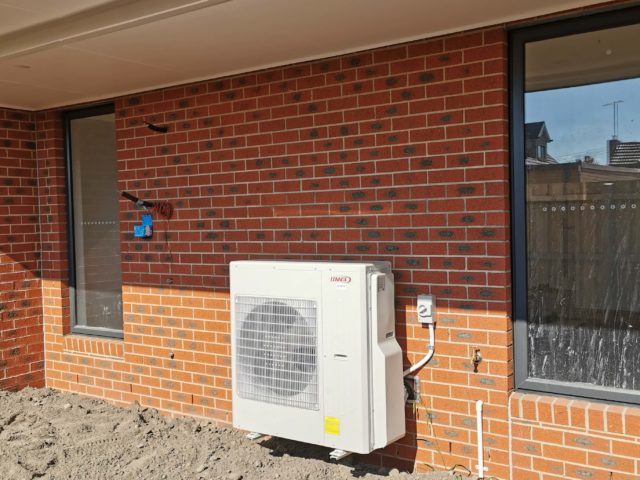
If you’ve recently had a new air conditioning system installed, it’s worth checking whether the unit is on a dedicated circuit. You can read more about managing high-draw appliances on the Goldworks Electrical blog, which covers a range of practical electrical topics for Melbourne homeowners and renters.
Renter’s Rights and Responsibilities in Victoria
As a renter in Victoria, you have specific rights and obligations when it comes to electrical faults. Under the Residential Tenancies Act 1997, landlords are responsible for maintaining rental properties in a safe and functional condition — including the electrical system. If your circuit breaker trips due to a fault in the building’s wiring rather than your own appliances, that repair cost falls on your landlord or property manager.
You should notify your landlord or property manager in writing as soon as you identify a recurring electrical issue. Consumer Affairs Victoria provides guidance on urgent repairs and your rights as a renter, which is worth reviewing if you’re unsure of your obligations.
It’s also important to note that under Australian Standard AS/NZS 3000 (the Wiring Rules), any electrical work beyond basic appliance use must be carried out by a licensed electrician. You should never attempt to open the switchboard enclosure itself, replace breakers, or tamper with internal wiring.
When to Call a Professional
Some electrical situations go beyond a simple reset and require expert attention. Contact a licensed electrician immediately if:
- The breaker trips again as soon as you reset it
- You notice burning smells, scorch marks, or hear buzzing from the switchboard
- Multiple circuits trip at the same time
- Power points or light switches feel warm to the touch
- You experience flickering lights throughout the apartment
These are warning signs of potentially serious faults that pose a real safety risk. The team at Goldworks Electrical are licensed Melbourne electricians experienced in diagnosing and resolving switchboard faults, circuit overloads, and wiring issues in apartments and residential properties. Don’t delay — electrical faults can escalate quickly, particularly in older apartment buildings.
Conclusion
Understanding how to reset a circuit breaker in an apartment is a straightforward skill that every Melbourne renter should have in their toolkit. Locate your switchboard, identify the tripped breaker, reduce the load, and follow the simple reset steps outlined above. In most cases, you’ll have power restored within minutes.
However, if your breaker keeps tripping, you notice warning signs of a fault, or you simply aren’t confident working near your switchboard, don’t take risks. Reach out to Goldworks Electrical for professional, reliable electrical support across Melbourne — because your safety is always worth it.
Frequently Asked Questions
Is it safe to reset a circuit breaker yourself in a rental apartment?
Yes, resetting a tripped circuit breaker is considered safe for renters to do themselves, provided you follow the correct steps — reducing the load first and switching the breaker fully off before back on. You should never open the switchboard enclosure, touch internal wiring, or attempt to replace a breaker yourself, as this work must be performed by a licensed electrician under Australian law.
Why does my circuit breaker keep tripping even after I reset it?
If your breaker trips repeatedly, it’s usually a sign of a persistent overload, a faulty appliance drawing too much current, or a short circuit in the wiring. Try unplugging all appliances on the circuit and resetting — if it holds, reconnect devices one at a time to identify the culprit. If the breaker trips with nothing plugged in, you have a wiring fault and need a licensed electrician straight away.
Who is responsible for fixing a faulty circuit breaker in a Melbourne rental?
In Victoria, landlords are legally required to maintain the property’s electrical system in a safe and working condition under the Residential Tenancies Act 1997. If the fault lies with the building’s wiring or switchboard rather than your own appliances, the repair is the landlord’s responsibility. Notify your property manager in writing and, if the issue poses an urgent safety risk, arrange repairs and seek reimbursement.
Can running an air conditioner cause a circuit breaker to trip in an apartment?
Absolutely — air conditioners are high-draw appliances and one of the most common causes of tripped breakers in Melbourne apartments, particularly during summer heatwaves. If your air conditioner is not on a dedicated circuit, running it alongside other appliances like a microwave, dishwasher, or electric heater can easily overload the circuit. A licensed electrician can assess whether a dedicated circuit is needed for your unit.