
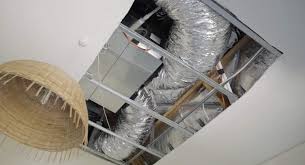
The Short Answer: How Often Should a Split System Be Cleaned?
How often should a split system be cleaned? For most Melbourne homes, you should clean the filters every four to six weeks during heavy use, and book a full professional service at least once a year. If you run your system year-round — which many households do given Melbourne’s unpredictable climate — twice-yearly professional servicing is strongly recommended.
Why Melbourne’s Climate Makes Cleaning Even More Important
Melbourne’s weather is notoriously variable. You can be running your split system on heating in the morning and switching to cooling by the afternoon. That constant switching, combined with the city’s pollen seasons, coastal humidity in bayside suburbs, and dusty northerly winds in summer, means your unit accumulates grime faster than in more stable climates.
Dirty filters force your system to work harder, which drives up your energy bills and shortens the lifespan of the unit. A neglected split system can also circulate allergens, mould spores, and bacteria through your home — not ideal when you’re trying to stay comfortable.
Understanding the Two Levels of Split System Cleaning
There’s an important difference between routine filter maintenance you can do yourself and a thorough professional clean. Knowing which is which helps you stay on top of upkeep without spending money you don’t need to.
DIY Filter Cleaning (Every 4–6 Weeks)
The air filters inside your indoor unit are designed to be removed and cleaned by the homeowner. This is simple, takes about ten minutes, and makes a real difference to air quality and efficiency. Here’s how to do it:
- Turn the unit off at the wall and wait a few minutes.
- Open the front panel of the indoor head unit and slide out the mesh filters.
- Gently vacuum loose dust, then rinse the filters under lukewarm water.
- Allow them to dry completely in the shade — never in direct sunlight or with a hairdryer.
- Slide them back in, close the panel, and restart the unit.
If you notice a musty smell even after cleaning the filters, that’s a sign there’s mould or bacteria deeper inside the unit — and that’s when you need a professional.
Professional Deep Cleaning (Once or Twice a Year)
A qualified technician will clean components you simply can’t access yourself: the evaporator coil, the blower fan, the drain pan, and the condensate drain line. They’ll also inspect the refrigerant levels, electrical connections, and the outdoor condenser unit. This kind of service goes well beyond what a DIY clean can achieve.
For Melbourne households running their system heavily — think ducted or multi-head split systems in Carrum Downs and similar bayside suburbs — scheduling a service before summer and again before winter is a smart approach.
Factors That Affect How Often Your Split System Needs Cleaning
Not every household is the same. Several factors can mean your system needs attention more frequently than the standard recommendation:
- Pets: Pet dander and fur clog filters rapidly. Clean filters every two to three weeks if you have animals indoors.
- Allergies or asthma: More frequent cleaning reduces airborne irritants circulating through your home.
- Proximity to roads or construction: Dust and particulates build up faster in high-traffic or development areas.
- Older homes: Homes with older insulation or carpeting tend to generate more airborne dust.
- High usage: If your system runs for more than eight hours a day, clean filters more often and service annually at minimum.
What Happens If You Skip Regular Cleaning?
Neglecting your split system has real consequences. Blocked filters reduce airflow, which causes the evaporator coil to ice up — a condition called freeze-over that can permanently damage the compressor. Dirty coils also reduce heat exchange efficiency, meaning your system uses significantly more electricity to achieve the same result.
From a health perspective, the warm, damp interior of a split system is an ideal environment for mould growth. The Australian Government’s Department of Health recognises indoor air quality as a significant health concern, and a dirty air conditioning system is one of the most common contributors in residential settings.
If you’re also considering upgrading to a larger system, you can explore options like ducted air conditioning in Langwarrin — but regardless of system type, regular cleaning applies across the board.
When to Call a Professional
You should call a licensed technician if you notice any of the following: reduced airflow even after cleaning the filters, unusual noises like rattling or grinding, a persistent musty or burning smell, water leaking from the indoor unit, or the system failing to reach the set temperature. These are signs of issues beyond surface-level grime.
The team at Goldworks Electrical services split systems across Melbourne’s south-eastern suburbs, including full inspections, coil cleans, drain line flushes, and refrigerant checks. If your system is due for a service — or you’re not sure when it was last professionally cleaned — get in touch with Goldworks Electrical to book a thorough assessment before the next season hits.
Conclusion
So, how often should a split system be cleaned? Clean your filters every four to six weeks during active use, and arrange a professional service at least once a year — twice if your household runs the system heavily or has pets and allergy sufferers. Melbourne’s climate and air quality make consistent maintenance especially worthwhile.
Staying on top of cleaning protects your investment, keeps your energy bills in check, and ensures the air in your home is genuinely clean. Don’t wait for a breakdown to take action — a little regular maintenance goes a long way. Visit the Goldworks Electrical blog for more practical advice on getting the most from your home’s heating and cooling systems.
Frequently Asked Questions
Can I clean my split system myself, or do I always need a professional?
You can and should clean the air filters yourself every four to six weeks — it’s straightforward and doesn’t require any tools or trade qualifications. However, the deeper components like the evaporator coil, blower fan, and drain line require a licensed technician. Attempting to clean these yourself can void your warranty and risk damaging the unit.
How do I know if my split system has mould inside it?
The most common sign is a musty or stale smell when the unit starts up, even if you’ve recently cleaned the filters. You may also notice dark spots or discolouration around the vents. If you suspect mould inside the unit, stop using it and call a technician — running a mouldy system spreads spores throughout your home.
Does cleaning my split system actually reduce my power bill?
Yes, meaningfully so. A clogged filter can reduce airflow by up to 15–20%, forcing the compressor to work harder and consume more electricity. Regular cleaning keeps the system running at its rated efficiency, which translates directly to lower running costs — particularly important during Melbourne’s peak summer and winter months.
Is there an Australian standard for split system maintenance?
Yes. AS/NZS 3666 covers air handling and water systems in buildings, including requirements for hygiene and maintenance of air conditioning equipment in commercial settings. While residential systems aren’t subject to the same mandatory schedules, the standard provides a useful benchmark for best-practice maintenance frequency and hygiene protocols that homeowners can follow as a guide.