
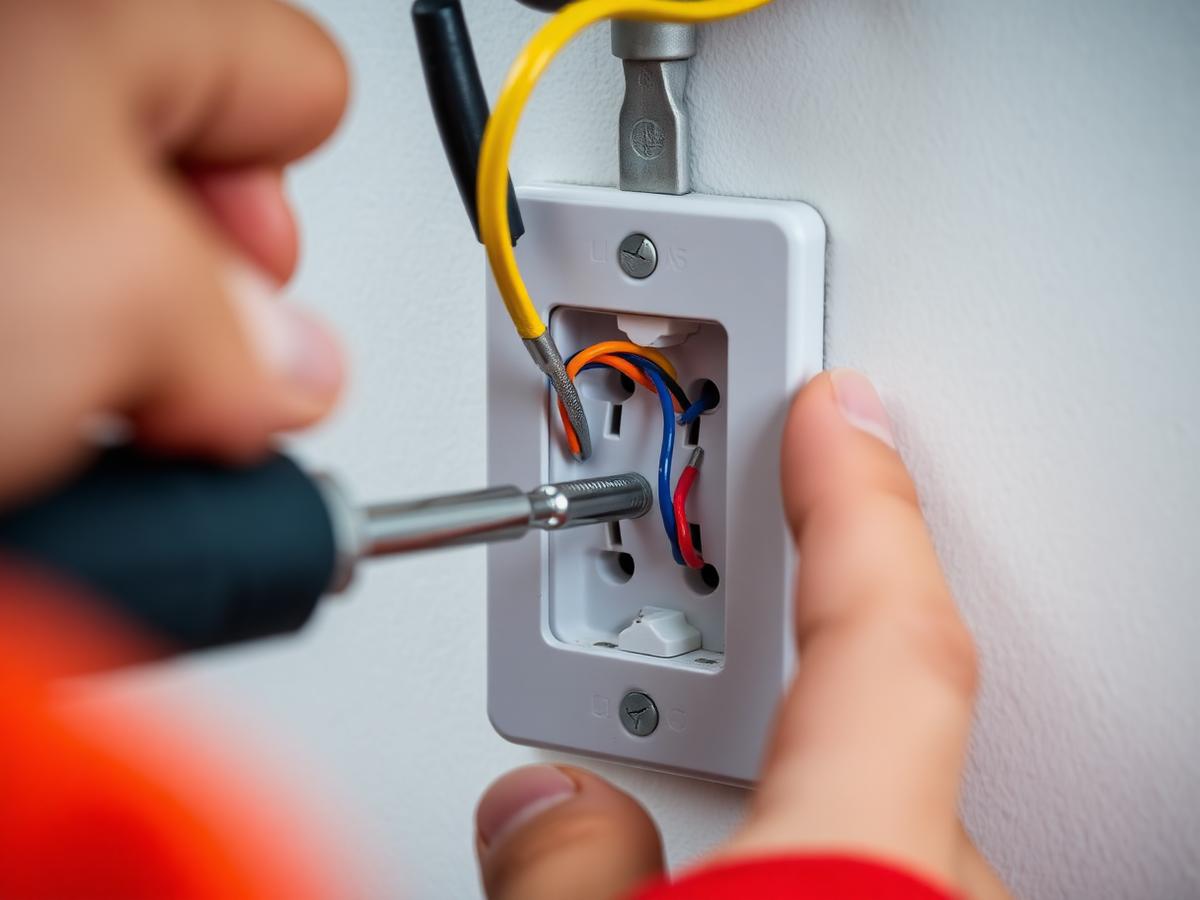
Your home may need electrical rewiring if you notice frequent circuit breaker trips, flickering lights, burning smells, outdated wiring, or damaged electrical components. These warning signs can indicate your electrical system is struggling to safely handle modern household demands and may require professional assessment.
Many older Melbourne homes were built when electrical requirements were much lower than they are today. With appliances such as air conditioners, induction cooktops, EV chargers, smart devices, and home offices becoming common, ageing electrical systems can become overloaded and unsafe.
Understanding the Signs Your Home May Need Electrical Rewiring can help you identify potential risks early and take action before minor electrical issues develop into serious safety hazards.
Why Older Melbourne Homes Often Need Electrical Rewiring
Melbourne has many established suburbs with houses that were constructed decades ago. While these properties often have excellent character and solid structures, their original electrical wiring may not have been designed for today’s power requirements.
Older wiring systems can deteriorate over time due to heat, moisture, renovations, and general wear. Materials and electrical standards have also changed significantly, meaning some older installations may no longer provide the level of safety expected in modern homes.
Electrical rewiring involves replacing outdated cables, improving circuit capacity, updating switchboards where required, and ensuring the system meets current Australian electrical safety requirements.
Common Signs Your Home May Need Electrical Rewiring
Recognising early warning signs can help you address electrical problems before they become dangerous. Some common indicators include:
- Frequent power trips: If your safety switches or circuit breakers regularly trip, it may mean your electrical system is overloaded or there is a fault within the wiring.
- Flickering or dimming lights: Lights that flicker when appliances turn on may indicate wiring problems, overloaded circuits, or poor electrical connections.
- Burning smells or scorch marks: A burning odour near outlets, switches, or your switchboard should never be ignored, as it may indicate overheating wiring.
- Old electrical components: Ceramic fuses, outdated switchboards, and limited power points are common signs that your system may need upgrading.
- Buzzing sounds: Crackling, buzzing, or unusual noises from switches and outlets can point to loose connections or damaged wiring.
- Two-prong power outlets: Older homes with limited or outdated outlets may not have adequate earthing protection for modern appliances.
If you experience any of these issues, it is important not to ignore them. Electrical problems can worsen over time and may increase the risk of electric shock or fire.
How Electrical Rewiring Improves Home Safety
A complete electrical rewiring project can significantly improve the safety and reliability of your home. Modern electrical systems are designed to handle increased energy use while providing better protection for your family and property.
During an electrical assessment, a licensed electrician will inspect wiring condition, switchboard operation, safety switches, earthing, and circuit performance. They can identify areas where repairs, upgrades, or full rewiring may be required.
Goldworks Electrical helps Melbourne homeowners understand their electrical systems and provides practical solutions based on the condition, age, and requirements of each property.
Electrical Standards And Regulations For Melbourne Homes
Electrical work in Australia must comply with strict safety requirements, including the standards outlined in AS/NZS 3000, commonly known as the Australian/New Zealand Wiring Rules. These guidelines cover electrical installation safety, protection devices, earthing, and wiring practices.
In Victoria, electrical work must be completed by a licensed electrician to ensure it meets regulatory requirements. This is especially important for rewiring projects, as incorrect installation can create serious safety risks.
A professional electrical inspection can confirm whether your existing wiring is safe or whether improvements are recommended to bring your home closer to current standards.
What Happens During A Home Rewiring Project?
Electrical rewiring is a detailed process that requires careful planning. The exact approach depends on your home’s age, layout, existing wiring condition, and future electrical needs.
A typical rewiring process may include:
- Electrical inspection: A licensed electrician assesses your current system and identifies safety concerns.
- Planning and preparation: The electrician determines the required circuits, cable routes, and upgrades.
- Removing outdated wiring: Old cables, damaged components, and unsafe fittings are replaced.
- Installing new electrical systems: Modern wiring, outlets, switches, and protective devices are installed.
- Testing and certification: The completed work is tested to ensure it operates safely.
For many Melbourne homes, rewiring also provides an opportunity to improve convenience by adding more power points, better lighting solutions, and dedicated circuits for high-powered appliances.
Can You Rewire Only Part Of Your Home?
Not every property requires a complete electrical rewiring project. In some cases, only certain areas may need attention, such as an older kitchen, renovated extension, garage, or section of damaged wiring.
A licensed electrician can assess whether partial rewiring is suitable or whether a full replacement is the safer long-term option.
It is important to avoid temporary fixes for ongoing electrical problems. Replacing a faulty outlet or repairing visible damage may solve a small issue, but it does not always address underlying wiring concerns.
When To Call A Professional
If you notice any Signs Your Home May Need Electrical Rewiring, arranging an electrical inspection is the safest next step. Attempting electrical repairs yourself can be dangerous and is not permitted for most electrical work under Australian regulations.
Goldworks Electrical provides professional electrical assessments and rewiring solutions for Melbourne homeowners. Their team can inspect your current system, explain any concerns clearly, and recommend the right solution for your property.
Whether you own an older character home, renovated property, or family residence, getting expert advice can help protect your home from avoidable electrical risks.
Conclusion
Understanding the Signs Your Home May Need Electrical Rewiring allows you to identify potential electrical problems before they become major safety concerns. Flickering lights, outdated wiring, frequent trips, and burning smells are all signs that your system may require professional attention.
A safe and reliable electrical system is essential for modern Melbourne homes, especially as households continue to rely on more electrical appliances and technology. Regular inspections and timely upgrades can improve safety, performance, and peace of mind.
Contact Goldworks Electrical for expert electrical advice and a professional assessment to determine whether your home requires rewiring or other electrical improvements.
Frequently Asked Questions
How do I know if my house needs electrical rewiring?
Common signs include frequent circuit breaker trips, flickering lights, burning smells, outdated fuse boxes, damaged outlets, and wiring that has not been upgraded for many years.
How often should a Melbourne home be rewired?
There is no fixed timeframe for rewiring every home. However, properties with very old wiring, outdated electrical systems, or signs of damage should be inspected by a licensed electrician.
Is electrical rewiring necessary when renovating an older home?
Yes, rewiring is often recommended during renovations because walls and ceilings are already accessible, making it easier to upgrade outdated electrical systems and improve safety.
Can old electrical wiring cause house fires?
Yes. Damaged, deteriorated, or overloaded wiring can increase the risk of electrical faults and fires. Regular inspections can help identify and address potential hazards early.