Melbourne’s weather has a funny habit of changing its mind. You can leave home on a crisp morning, enjoy some sunshine at lunch and find yourself reaching for the heater by dinner. That is one reason Ducted Air Conditioning has become an appealing option for Melbourne homes and workplaces. Instead of relying on separate units scattered around the building, one central system can heat or cool multiple rooms through discreet ceiling vents.
It is also a practical choice if you care about how your home looks. There is no bulky indoor unit taking over a wall in the living room and no collection of remotes sitting on the kitchen bench.
For many households, the attraction goes beyond appearance. A well-designed system can provide consistent temperatures, flexible zoning and heating and cooling from the same equipment.
What Is Ducted Air Conditioning?
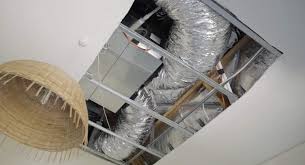
The basic idea is fairly simple. A central indoor unit sits out of sight, often within the roof space, while insulated ductwork carries conditioned air to individual rooms.
Each room has a vent, usually positioned in the ceiling or high on a wall. Depending on the system, you can control different areas separately through zoning.
That matters in a Melbourne home because you rarely need every room at the same temperature. Why heat an empty guest bedroom while everyone is sitting in the lounge?
Modern Ducted Air Conditioning systems can be configured around how you actually use your home rather than treating the whole building as one big room.
1. One System Can Heat and Cool Your Home
One of the biggest advantages is versatility. A reverse-cycle system can provide cooling during hot weather and heating when temperatures drop.
This is especially useful in Melbourne, where you may use both functions within the same week. The Australian Government’s energy guidance explains that reverse-cycle air conditioners transfer heat rather than simply generating it, allowing them to provide both heating and cooling.
A Reverse cycle ducted air conditioning system therefore gives you one central solution instead of needing separate heating and cooling appliances.
That can make everyday life easier. You set the temperature you want, select the relevant zones and let the system do the work.
2. Better Control Across Different Rooms
A large home does not behave like one large room. A north-facing bedroom may become warm in the afternoon while a shaded study stays relatively cool.
With zoning, Ducted Air Conditioning can direct conditioned air to selected areas. You might cool the living spaces during the evening and leave unused bedrooms switched off.
This can also make the system more practical for families. Different people often have different comfort preferences, and zoning gives you more control without running several independent air conditioners at once.
The exact features depend on the model and installation, so it is worth discussing zoning requirements before choosing a system.
3. A Cleaner Look Around the Home
Let’s be honest: air conditioning equipment is not usually the star of a beautifully designed room.
Wall-mounted systems can be perfectly useful, but they are visible. Ducted systems take a different approach. Most of the equipment and ductwork stays out of sight, leaving only the vents and controls visible.
For renovated homes, new builds and contemporary interiors, this can be a major selling point.
Ducted Air Conditioning can give you climate control without turning every room into a display area for mechanical equipment.
4. It Can Work Well With Modern Home Design
Open-plan living has changed how many Melbourne homes are designed. Kitchens, dining areas and living rooms often share one large space.
A single wall-mounted unit may struggle to distribute air evenly through an unusual layout. A properly designed ducted system can place outlets where airflow is actually needed.
This is where Residential ducted air conditioning becomes particularly useful. The system can be planned around the home’s floor plan rather than added as an afterthought.
The quality of the design matters, though. Correct sizing, duct layout, insulation and outlet positioning all affect performance.
5. Potentially Better Energy Management Through Zoning
Installing a large system does not automatically mean lower electricity bills. That would be a rather convenient myth.
The way you use the system matters.
The Australian Government notes that heating and cooling can account for a substantial share of household energy use and recommends choosing appropriately sized, efficient equipment and managing the home through insulation, shading and other measures.
With zoning, you can avoid conditioning rooms that do not need it. An efficiently designed Ducted Air Conditioning system can therefore give you more control over where your energy is being used.
The Zoned Energy Rating Label can also help consumers compare efficiency and estimated energy consumption when selecting suitable air-conditioning equipment.
6. Useful for Melbourne’s Changing Seasons
Melbourne’s weather is not famous for consistency. A system that only handles summer cooling may leave you looking for another solution once winter arrives.
A reverse-cycle setup gives you both options.
You can cool the house during a hot January afternoon and switch to heating when winter arrives. That year-round flexibility is one of the strongest reasons people consider Ducted Air Conditioning rather than installing cooling alone.
It also means you do not need to manage several unrelated appliances around the home.
7. It Can Make Large Homes More Comfortable
A multi-store or larger home presents a different challenge from a compact apartment. Temperature differences between rooms and levels can become noticeable.
This is where professionally planned Ducted Air Conditioning Installation can help. The installer can assess the home’s size, layout, insulation, windows and expected usage before recommending equipment.
For an authoritative guide on choosing and operating heating and cooling equipment, the Australian Government’s heating and cooling guidance is a useful resource.
The important part is the word planned. Bigger is not automatically better. An oversized system can cycle differently from what you expect, while an undersized system may struggle during extreme conditions.
8. Fewer Indoor Units to Maintain
If you have several split systems around the house, you have several indoor units, filters, remotes and outdoor components to think about.
A central arrangement simplifies the visual side of things.
That does not mean maintenance disappears. Filters, vents, ducts and mechanical components still need attention. Regular Ducted AC servicing can help identify problems before they become inconvenient, especially before periods of heavy use.
The Australian Government recommends regular servicing by a licensed technician and routine cleaning of filters and air-conditioning components.
9. It Can Suit Offices and Larger Workspaces
The benefits are not limited to houses.
In an office, café, showroom or other commercial setting, separate wall-mounted units can create an inconsistent look and may not distribute air evenly throughout larger areas.
Commercial Air Conditioning systems can be designed around the size and use of the workspace, with zoning providing additional control where appropriate.
For a Melbourne business, comfort also has a practical side. Employees need a pleasant environment to work in, while customers are unlikely to enjoy sitting in a room that feels uncomfortably hot or cold.
Comparing the Main Benefits at a Glance
Benefit | How it helps in Melbourne | What to consider before installation | Best suited to |
Whole-home heating and cooling | Handles both warm summers and cold winters | Choose the right capacity and system type | Family homes and larger properties |
| Zoning | Lets you condition selected rooms instead of the entire house | Zoning layout should match daily routines | Multi-room homes |
Hidden equipment | Keeps walls and living areas visually cleaner | Requires suitable roof or ceiling space | Modern homes and renovations |
| Even air distribution | Sends conditioned air through multiple outlets | Duct design and outlet placement matter | Open-plan and larger homes |
Year-round operation | One system can provide cooling and heating | Reverse-cycle performance varies by model | Melbourne’s changing seasons |
| Central control | Makes temperature management simpler | Smart controls vary between systems | Busy households and offices |
Potential energy management | Zoning and efficient operation can reduce unnecessary conditioning | Running costs depend on usage, insulation and system efficiency | Energy-conscious households |
| Workplace flexibility | Can serve several areas from one central system | Commercial design may require different capacity and controls | Offices and commercial spaces |
What About Installation Cost?
Cost is naturally one of the first questions people ask.
There is no sensible single price for Ducted Air Conditioning because every property is different. A compact single-store house and a large double-store home will not require the same equipment, ductwork or labor.
The installation can also become more involved when an existing roof space has limited access or when ductwork needs to pass around structural obstacles.
A proper quote should take more than floor area into account. Ask the installer about system capacity, zoning, duct insulation, controls, running costs and what is included in the installation.
Does Every Melbourne Home Need Ducted Air Conditioning?
No. This is where an honest answer matters.
If you only want to cool one bedroom or a small living area, a split system may be simpler and more economical. The Australian Government notes that non-ducted split systems can avoid some energy losses associated with distributing air through ductwork.
But if you want whole-home comfort, discreet equipment and the ability to control several zones, Ducted Air Conditioning can make much more sense.
Your home, budget and usage pattern should determine the choice, not the popularity of a particular system.
Choosing the Right System
Before arranging installation, think about how you actually live.
Do you spend most evenings in the living room? Are bedrooms used during the day? Do you work from home? Does one side of the house receive strong afternoon sun?
Those details can influence the system design.
A professional installer should also assess insulation, glazing, ceiling space, orientation and the home’s overall heating and cooling load. Good Ducted Air Conditioning design is not simply a matter of choosing the biggest machine available.
Keep the System Performing Well
Once your system is installed, a little care goes a long way.
Keep vents clear, follow the manufacturer’s cleaning instructions and arrange servicing when recommended. If airflow changes, unusual sounds appear or some rooms stop reaching the desired temperature, do not simply turn the thermostat up and hope for the best.
A service can help identify issues such as restricted airflow, dirty components or other faults.
Good insulation and shading also matter. The Australian Government recommends measures such as sealing gaps, using appropriate curtains and improving insulation to reduce heating and cooling loads.
Final Thoughts
The biggest advantage of Ducted Air Conditioning is not simply that it makes a room cooler or warmer. It gives you a more complete way to manage comfort throughout the property.
For Melbourne homes, that flexibility can be useful. You get heating when winter arrives, cooling during hot spells, discreet vents and the option to divide the home into zones.
Still, there is no magic button that makes every system efficient. Good design, correct sizing, sensible settings and regular maintenance all matter.
If you are considering Ducted Air Conditioning for your Melbourne home or workplace, start with an assessment rather than guessing what size system you need. A professional can look at the property, explain your options and recommend a setup that suits how you actually use the space.
Ready to make Melbourne’s unpredictable weather a little easier to live with? Speak with a qualified local air-conditioning professional and explore whether a ducted system is the right fit for your property.
FAQs
Is ducted air conditioning suitable for Melbourne weather?
Yes. A reverse-cycle system can provide both heating and cooling, making it suitable for Melbourne’s changing seasons. The correct system size and design are still important.
Is ducted air conditioning expensive to run?
Running costs depend on the system’s efficiency, size, insulation, temperature settings, home layout and how often you use it. Zoning can help avoid conditioning rooms that do not need heating or cooling.
How often should a ducted system be serviced?
There is no universal interval for every system. Follow the manufacturer’s recommendations and arrange professional servicing when required. Cleaning filters and keeping vents clear can also support normal operation.
Is ducted air conditioning better than split systems?
Neither is automatically better. Split systems can work well for individual rooms, while ducted systems can be more suitable when you want central heating and cooling across multiple areas.
Can ducted air conditioning be installed in an existing Melbourne home?
Yes, although the difficulty depends on roof access, available space, the home’s layout and existing construction. A site inspection will give you a much clearer idea of what is involved.
Can ducted air conditioning help with energy efficiency?
It can, particularly when the system is correctly sized and used sensibly with zoning. However, ducted systems can lose some energy through ductwork, so installation quality and insulation are important.