
Melbourne’s weather has a personality of its own. One day feels like summer, the next feels like autumn, and by evening, a jumper suddenly becomes necessary again. Because of these unpredictable conditions, air conditioning installation has become less of a luxury and more of a practical upgrade for many households.
A properly installed system does far more than cool a room. It improves comfort, helps manage indoor humidity, supports energy efficiency, and creates a more pleasant living environment throughout the year. However, many property owners know surprisingly little about what actually happens during a professional air conditioning installation process.
Knowing exactly how the job folds out takes the guesswork out of the project. The whole process, from picking the right compressor size to the final commissioning checks, follows a strict trade sequence designed to guarantee that your air conditioning installation delivers high performance, household safety, and long-term reliability.
This guide breaks down air conditioning installation into clear and easy-to-understand stages. From the first inspection through to final testing and ongoing air conditioning maintenance, every step plays a role in achieving efficient and reliable performance.
Why Air Conditioning Installation Starts Before Day One
The initial chat about a new system usually shows what people value most, some hyper-focus on brand names, while others just look at the bottom line. A proper, high-quality air conditioning installation starts by evaluating your real-world insulation, room dimensions, stud height, and how your family actually uses the space.
When we run site quotes, a room that looks straightforward on a floor plan can throw up serious layout challenges. Massive west-facing glass, baking afternoon sun, non-existent insulation, and old weatherboards completely warp your cooling load. Getting exact measurements guarantees the air conditioning installation is sized perfectly from day one.
Physical site access plays a massive role in mapping out the job. Where the outdoor compressor sits, main board proximity, tight ceiling spaces, and gravity drain paths all shift your timeline and budget. Red-flagging these variables early stops nasty surprise variations and scheduling delays midway through the air conditioning installation process.
Property Assessment Often Shapes Long-Term Outcomes
Room size is one of the first things people mention during consultations, yet it rarely tells the whole story. Two rooms with identical dimensions can require different system capacities because of insulation, glazing, sunlight exposure, and occupancy.
A home office used all day behaves differently from a guest bedroom used occasionally, requiring an air conditioning installation strategy that accounts for heat load variables rather than square footage alone.
We constantly see people relying on generic online square-metre calculators. Those basic tools give a rough guess but completely ignore your property’s specific weak spots. We’ve had to tear out relatively new systems because the original installer guessed the size instead of doing a real heat-load assessment. Skipping this step during your initial air conditioning installation can mean buying a second machine a few years down the track, which is a massive financial blow.
It’s easy to look solely at how you live today without planning for tomorrow. Homeowners buy for their current routine, ignoring upcoming kids, home extensions, or switching to a permanent work-from-home setup. A room that feels fine now can suddenly feel like an oven once your lifestyle shifts. Spending time on proper trade scoping up front ensures your air conditioning installation accommodates these future changes and saves you from expensive retrofits later.
Common Assessment Checks
Assessment Area | Purpose |
Room size | Determines system capacity |
Ceiling height | Impacts airflow calculations |
| Window placement | Assesses heat gain |
| Insulation quality | Influences the cooling load |
| Electrical supply | Confirms power requirements |
| Outdoor unit location | Ensures ventilation and access |
Choosing Equipment Means Balancing Cost And Reality
Picking a unit isn’t as basic as stacking up glossy product brochures. Marketing ads hype up high-tech bells and whistles while ignoring practical on-site realities.
A top-tier premium model might offer advanced automated control zones, but those savings only materialise if they actually match your daily household habits. Paying the highest price tag doesn’t mean you got the right fit for your air conditioning installation.
Balancing a budget always brings out competing priorities. You’re either trying to keep the upfront cash spend low or looking to maximise long-term energy efficiency. There’s no single right answer here, but you have to understand the trade-offs; going dirt-cheap on the hardware can spike your power bills for life, while over-investing in a premium system won’t pay off if you only run it three weeks a year, making a balanced air conditioning installation strategy that accounts for all specific air conditioning installation requirements the smartest way forward.
Out on residential air conditioning installation jobs, visual impact dictates choices constantly. Head unit positioning, hidden outdoor slabs, and wall space all come into play. The problem is that clean aesthetics and raw thermal performance often pull in opposite directions. The best results happen when you find a practical compromise rather than forcing the machine into an unventilated dead zone just to hide it.
What Happens After Installation?
Many people assume the process ends once cool air starts flowing.
In reality, several final steps still occur.
Final Handover Includes
- Demonstrating controls
- Explaining operating modes
- Providing warranty information
- Sharing maintenance schedules
- Discussing energy-saving settings
These instructions help maximise efficiency from day one.
Electrical Planning And Infrastructure Checks Matter
Main board power rarely gets a mention in early conversations, but it dictates your entire timeline.
Older double-brick homes around Melbourne often need a full switchboard upgrade or new dedicated circuits run back to the mains before a unit can run safely. If you don’t run a physical inspection upfront, finding out about a dead board on install day blows out your air conditioning installation budget instantly.
Most folks assume the plastic box on the wall makes up the bulk of the invoice. In reality, the technical electrical infrastructure represents a massive chunk of the realistic air conditioning installation cost. A bulletproof setup relies on compliant heavy-gauge wiring, dedicated RCD safety switches, and spare board capacity. Cutting corners on the electrical side to save a quick buck introduces massive safety risks.
One practical lesson from field experience is that electrical upgrades are easier to complete during installation than after the system is operating. Revisiting completed work usually involves additional labour and disruption. While homeowners understandably focus on visible outcomes, some of the most valuable work for a reliable air conditioning installation occurs behind walls and inside switchboards, where it remains largely unseen.
Positioning Indoor And Outdoor Units Is Strategic Work
The placement of cooling equipment influences far more than appearance. Indoor units must distribute air effectively throughout the intended space while avoiding obstructions and awkward airflow patterns.
Positioning decisions made for convenience sometimes compromise comfort. A unit mounted in the easiest location is not always the location that performs best for your air conditioning installation.
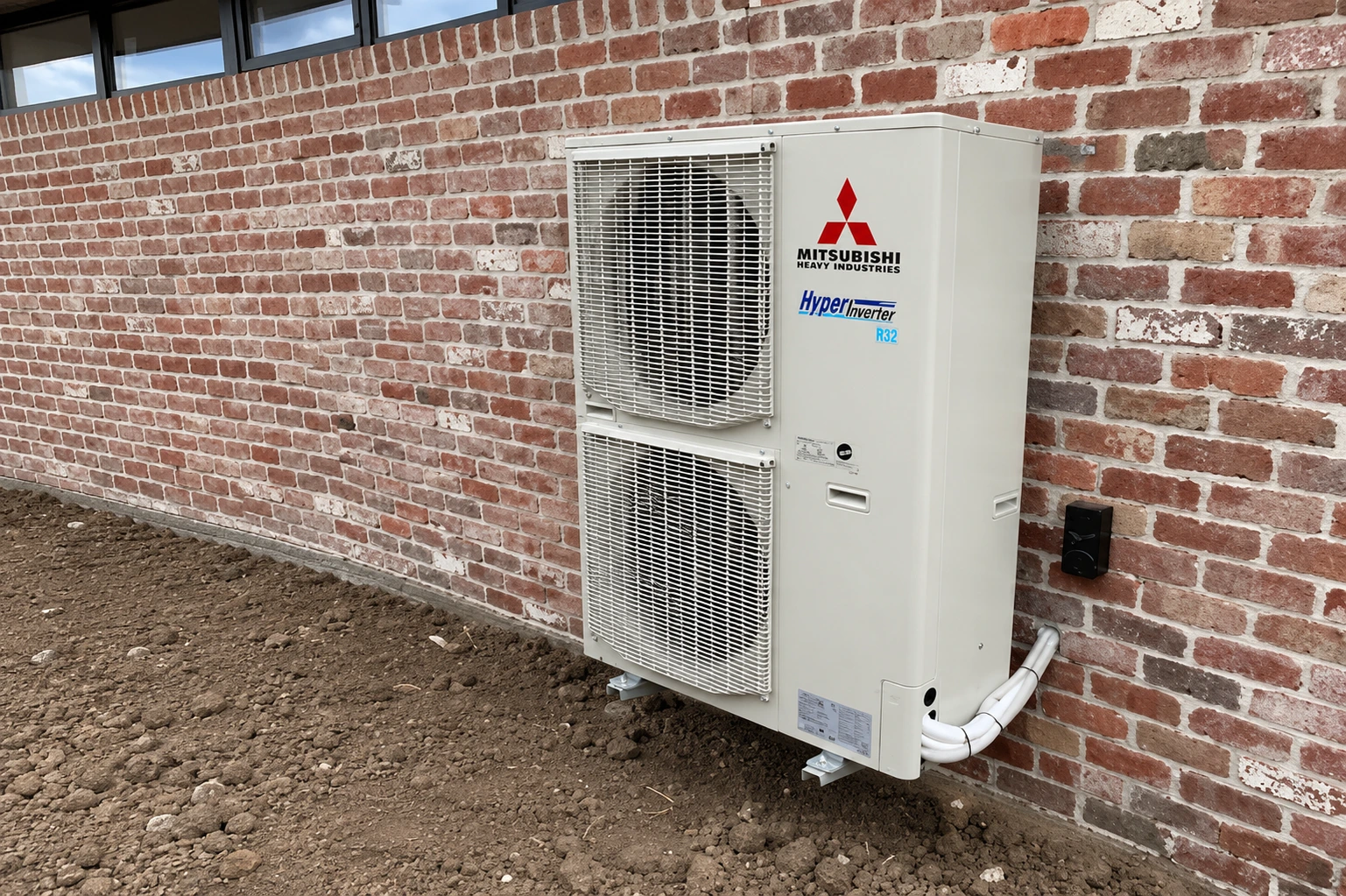
The outdoor condenser needs its own breathing room. You have to manage exhaust airflow, boundary noise regulations, tool access for future servicing, and raw weather exposure. Tucking a compressor into a tight, unventilated alleyway might keep it out of sight, but the trapped heat will choke the machine, kill its operating efficiency, and make future air conditioning installation and maintenance a nightmare.
Service access deserves particular attention because it affects future ownership costs. Equipment positioned in difficult locations may increase maintenance expenses throughout its lifespan, which is why proper placement during a residential AC installation is critical. These costs are rarely considered during planning because they occur years later.
Refrigerant Lines And Drainage Need Careful Attention
The technical side of cooling systems often receives less attention than equipment selection, yet it plays a major role in long-term reliability.
Refrigerant pipework, insulation quality, and connection integrity all influence system performance. A carefully executed air conditioning installation includes attention to these details, even though homeowners may never see them once the project is complete.
Drainage design creates a surprising number of service callouts. Condensation generated during operation must be directed away from the property effectively. Poor drainage planning can result in staining, moisture damage, unpleasant odours, or recurring maintenance issues. The problem is not usually visible on installation day, which makes it easy to underestimate during the planning stages of your air conditioning installation.
Some advice found online suggests that drainage and pipe routing are minor considerations. Field experience often suggests otherwise. Correcting drainage problems after walls are finished and equipment is operational is usually far more expensive than addressing them from the beginning. Small decisions made during installation frequently influence maintenance requirements for years afterwards.
Testing Reveals Problems Hidden During Earlier Stages
Just because a system blows cold air doesn’t mean it’s running right. Proper trade commissioning is way more than flipping an isolation switch and watching the louvres move.
A qualified installer tests static airflow pressures, delta-T temperature drops, amp draws, drainage flow, and gas pressures before signing off. Skipping these steps leaves hidden air conditioning installation defects buried in the system.
The biggest misconception is thinking a bad install shows up on day one. Most internal flaws, like tiny, slow gas leaks or poor vacuum purges, only manifest when the system is under heavy load during a 40-degree heatwave. Rigorous commissioning testing spots those pressure anomalies before we hand over the remote, ensuring your air conditioning installation handles real-world summer stress.
There is also value in educating homeowners during this stage of a professional AC installation. Many service requests originate from misunderstandings about settings, operating modes, or maintenance requirements rather than actual equipment faults. A brief discussion about controls and system behaviour can prevent unnecessary frustration later.
Ownership Costs Continue Long After Installation Ends
The upfront ticket price gets all the focus, but your monthly running costs hold the real financial weight over the machine’s lifespan.
Securing the best air conditioning installation possible locks down your power consumption and keeps the compressor running smoothly. Dodgy workmanship might survive the first month, but it will bleed you over time through massive power draws and recurring part failures.
Routine servicing tends to be viewed as optional until a fault occurs. In practice, maintenance plays a major role in preserving performance. Dirty filters, blocked drains, and neglected outdoor units gradually reduce efficiency. The decline is usually slow enough that occupants adapt to it without realising performance has changed. By the time a problem becomes obvious, repair costs may be significantly higher.
People have unrealistic ideas about how long these machines last without maintenance. Buying a premium Japanese brand doesn’t mean you can just ignore the equipment for ten years. Real-world longevity relies entirely on clean installation practices, environmental exposure, and routine servicing—not just the logo stamped on the plastic casing of your air conditioning installation.
Common Mistakes That Create Expensive Future Problems
The absolute most common error is picking a contractor based purely on the lowest quote. A cheap, no-name unit looks tempting on paper, but you’re buying terrible seasonal efficiency, zero local parts availability, and high energy consumption.
That cheap upfront project will easily cost you double in repair call-outs and spiked utility bills over its lifespan, making a quality-focused air conditioning installation the far more cost-effective choice in the long run.
Rushing the job before planning it out is a massive trap. Homeowners panic when a heatwave hits and demand a unit be thrown on the wall tomorrow morning. While speed is great, rushing means cutting corners on structural sizing and layout placement. A poorly planned system might technically turn on, but it will never reach its true efficiency potential, proving that a rushed air conditioner installation always compromises long-term performance for a quick fix.
It’s a mistake to ignore upcoming lifestyle shifts. Home extensions, turning a spare bedroom into a nursery, or setting up a full-time office space, completely shift your heating and cooling loads. Sizing a system tightly around today’s floor plan limits your options later. Factoring in future room usage now gives you way better long-term performance value out of your air conditioning installation.
Conclusion
At the end of the day, a proper air conditioning installation is way more than just bolting a bracket to some timber studs and turning the power on.
Every single step, from your initial on-site scoping to high-vacuum pump downs and final pressure testing, directly dictates your daily comfort, monthly energy spend, and machine reliability. Smart planning catches site challenges early, ensuring you get a setup that fits your property perfectly.
The best results usually come from a combination of quality equipment, experienced workmanship, and ongoing maintenance. A well-executed air conditioning installation can improve indoor comfort, reduce energy consumption, and provide dependable performance for many years. Whether upgrading an existing system or installing a new one, professional guidance can make all the difference.
Contact us today to discuss the best cooling solution for the property and receive expert advice tailored to specific comfort and efficiency needs.
Frequently Asked Questions
1. How long does a residential cooling system installation usually take?
2. Why do installation prices vary between different contractors?
3. Can a cooling system be oversized for a property?
4. What are the most common causes of poor performance?
5. How often should professional servicing be arranged?
6. Does a more expensive system always provide better results?