
What Does Home EV Charger Installation Cost in Melbourne?
Home EV charger installation cost in Melbourne typically ranges from $800 to $2,500 all-in, depending on your charger type, switchboard condition, and how far the cabling needs to run. Most Melbourne homeowners pay somewhere between $1,200 and $1,800 for a quality Level 2 AC charger professionally installed. That figure covers both the hardware and the labour from a licensed electrician.
Types of EV Chargers and How They Affect Price
Not all chargers are created equal, and the type you choose is one of the biggest factors in your final bill. There are two main categories relevant to home use in Australia.
Level 1 — Standard Powerpoint Charging
Plugging your EV into a standard 10-amp household powerpoint is technically possible, but it’s painfully slow — think 8–12 kilometres of range per hour. There’s no dedicated installation cost here beyond any powerpoint upgrade your electrician recommends. However, it’s not a long-term solution for most drivers.
Level 2 — Dedicated AC Wall Charger
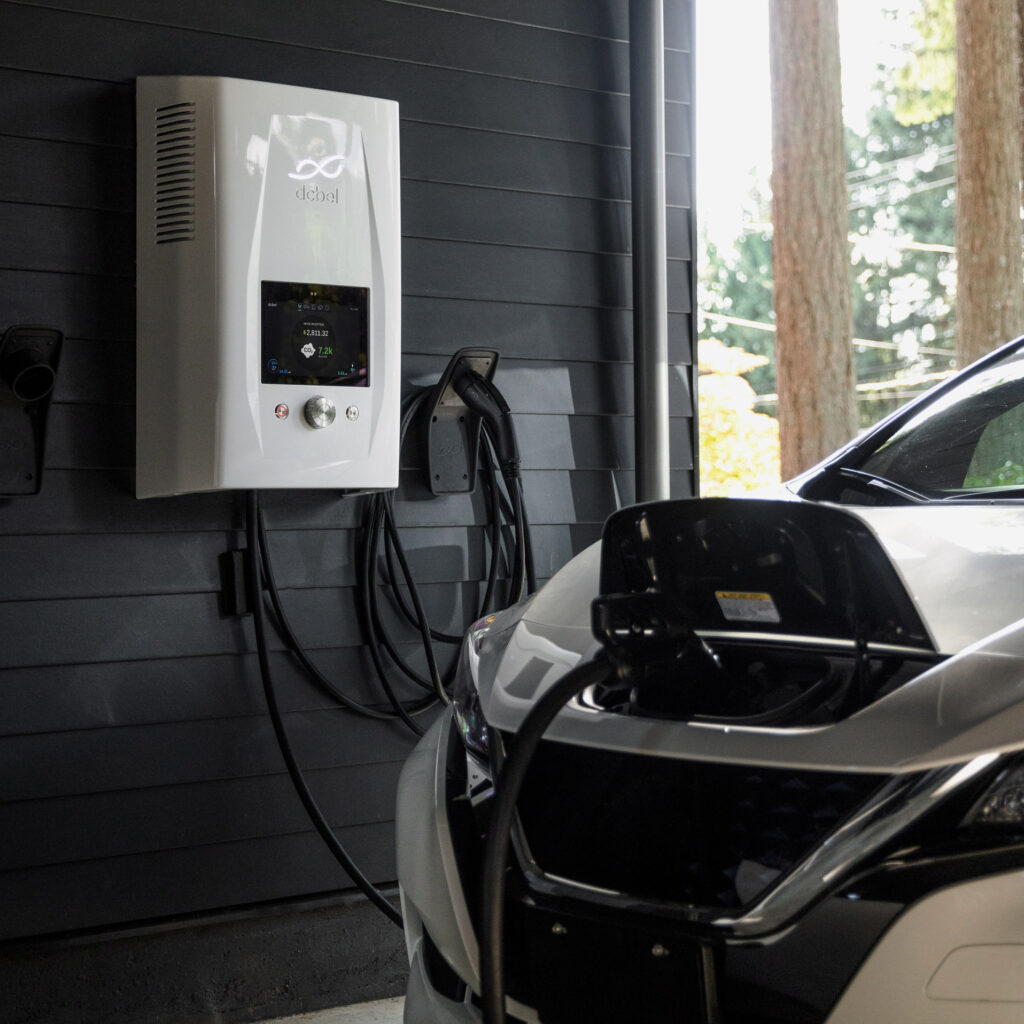
This is the sweet spot for home charging. A dedicated 7kW or 22kW AC wall charger gives you 25–100+ kilometres of range per hour, meaning your car is fully charged overnight. Hardware alone typically costs $600–$1,500, with installation adding another $400–$1,200 on top depending on your home’s setup.
Key Factors That Drive Home EV Charger Installation Cost
Two identical chargers can produce very different quotes depending on your property. Here’s what licensed electricians assess before giving you a price:
- Switchboard condition: Older switchboards with ceramic fuses need upgrading before a dedicated EV circuit can be added — this alone can add $800–$1,500 to your job.
- Cable run distance: The further your garage or carport is from your switchboard, the more cable and conduit is required. Long runs on double-storey homes or properties with detached garages cost more.
- Single-phase vs three-phase power: Most Melbourne homes run on single-phase, which limits charging to 7kW. If you want a faster 22kW charger, you’ll need three-phase power — an upgrade that can cost $2,000–$4,000 if you don’t already have it.
- Outdoor weatherproofing: An IP65-rated outdoor enclosure and weatherproof conduit add a small cost but are essential for Melbourne’s unpredictable weather.
- Smart charger features: Wi-Fi enabled, app-controlled, or solar-integrated chargers cost more upfront but can save money through off-peak charging schedules.
- Trenching or concrete work: If cabling needs to run underground across a driveway or courtyard, expect additional costs for trenching.
Average Cost Breakdown for Melbourne Homeowners
To give you a realistic picture, here’s how a typical Melbourne EV charger installation breaks down:
- Charger unit (7kW AC wall charger): $700–$1,200
- Labour (2–4 hours for a straightforward install): $350–$600
- Materials (cable, conduit, circuit breaker): $150–$300
- Switchboard upgrade (if required): $800–$1,500 extra
- Permit and compliance certificate: Typically included in the quote
A straightforward installation on a modern home with a compliant switchboard and a short cable run sits around $1,200–$1,500 total. A more complex job — older home, long cable run, switchboard upgrade — can push past $2,500.
Does the Victorian Government Offer Any Rebates?
Yes — and this is worth investigating before you commit to a purchase. The Victorian Government has previously offered EV-related incentives, and the federal government’s Electric Car Discount has made purchasing EVs more accessible. Check the latest offerings directly through the Victorian Energy Upgrades program to see whether any current rebates apply to home charging infrastructure. Eligibility conditions change, so always verify current terms before budgeting.
Some electricity retailers also offer discounted off-peak EV charging tariffs, which can significantly reduce your ongoing running costs once your charger is installed.
Can You Save Money by DIY Installing an EV Charger?
Short answer: no — and attempting it is illegal in Victoria. Under Australian Standard AS/NZS 3000 (the Wiring Rules), all fixed electrical work must be carried out by a licensed electrician. Installing your own EV charging circuit without a licence puts you at risk of voiding your home insurance, failing to obtain a Certificate of Electrical Safety, and creating a genuine fire or electrocution hazard. The savings simply aren’t worth it.
What you can do yourself is research charger brands, compare quotes, and check your switchboard age before calling an electrician — that preparation helps the job run smoothly and keeps costs down.
Pairing Your EV Charger with Solar
Many Melbourne homeowners are combining EV charger installation with solar panel systems to charge their vehicles for near-zero cost during daylight hours. A solar-compatible smart charger can be programmed to draw power only when your panels are generating — a genuinely smart long-term investment. If you’re already thinking about energy upgrades around the home, it’s worth exploring other electrical improvements at the same time. The team at Goldworks Electrical can help you plan a whole-home energy strategy, not just a single charger installation.
When to Call a Professional
You should call a licensed electrician before purchasing your EV charger, not after. An electrician will assess your switchboard, measure cable run distances, and recommend the right charger for your vehicle and lifestyle — saving you from buying hardware that doesn’t suit your home’s electrical capacity.
If your switchboard is more than 20 years old, you have a detached garage, or you’re considering a 22kW three-phase charger, a professional assessment is especially important. Visit the Goldworks Electrical blog for more guides, or get in touch with Goldworks Electrical directly to book an obligation-free EV charger consultation for your Melbourne home. A qualified electrician will provide a detailed, transparent quote — no surprises.
Conclusion
Home EV charger installation cost in Melbourne in 2026 sits between $800 and $2,500 for most homeowners, with the majority of straightforward jobs landing around $1,200–$1,800. The biggest variables are your switchboard condition, cable run length, and whether you need a three-phase upgrade. Always use a licensed electrician — it’s a legal requirement in Victoria and protects your home, your insurance, and your investment.
Do your homework on charger types, check for Victorian Government rebates, and consider pairing your charger with solar for maximum long-term savings. When you’re ready to move forward, contact Goldworks Electrical for honest, expert advice tailored to your Melbourne property.
Frequently Asked Questions
How long does it take to install a home EV charger in Melbourne?
Most straightforward EV charger installations take between two and four hours. If your switchboard needs upgrading or there’s a long cable run involved, the job may take a full day. Your electrician will give you a realistic timeframe when they assess the site.
Do I need council approval to install an EV charger at home?
In most cases, no council planning permit is required for a standard residential EV charger installation in Victoria. However, your electrician must issue a Certificate of Electrical Safety upon completion, as required under Victorian electrical safety regulations. Always confirm with your electrician before work begins.
What is the best home EV charger brand available in Australia?
Popular and well-regarded brands in Australia include Wallbox, Fronius Wattpilot, Ocular IQ, and Jet Charge’s own-brand units. The best choice depends on your vehicle’s onboard charger capacity, whether you have solar, and your budget. A licensed electrician can recommend a charger that suits your specific setup.
Can I install an EV charger in an apartment or unit in Melbourne?
Yes, but it’s more complex. You’ll likely need approval from your owners corporation, and the electrical infrastructure in older apartment buildings may need upgrading. Some Melbourne apartment buildings are beginning to install shared EV charging bays — speak to your building manager and consult a licensed electrician to understand your options.