
The Short Answer: Which System Costs Less to Run?
When comparing ducted vs split system running cost in Melbourne, split systems are generally cheaper to run for smaller homes or when you only need to cool a few rooms. Ducted systems become more cost-effective when you need whole-home climate control across five or more rooms, especially in larger properties where zone management can significantly reduce energy waste.
Understanding How Each System Works
Before diving into the numbers, it helps to understand what you’re actually paying for. A split system consists of one outdoor unit connected to one or more indoor wall-mounted heads. It heats or cools a defined space directly and efficiently.
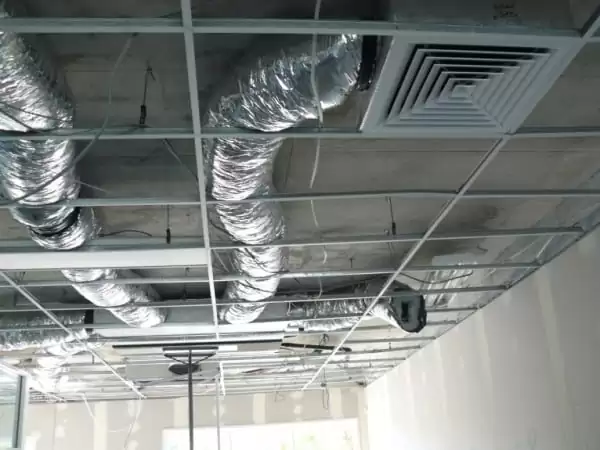
A ducted system, by contrast, uses a central unit — typically installed in your roof cavity — that pushes conditioned air through a network of ducts into multiple rooms via ceiling vents. It’s a whole-home solution that offers a cleaner, more discreet aesthetic but comes with different running cost dynamics.
Ducted vs Split System Running Cost: Breaking Down the Numbers
In Melbourne, the average electricity tariff sits around 30–35 cents per kilowatt-hour (kWh) in 2026. Here’s how the two systems typically compare in real-world usage:
- Single split system (2–3.5kW): Costs roughly $0.30–$0.60 per hour to run, ideal for a single bedroom or open-plan living area.
- Multi-head split system (3–8kW): Running costs vary between $0.50–$1.20 per hour depending on how many zones are active simultaneously.
- Ducted system (10–14kW): Consumes between $1.50–$3.00 per hour when running at full capacity across the whole home.
- Ducted system with zoning: With smart zoning enabled, costs can drop to $0.80–$1.50 per hour when only conditioning occupied areas.
These figures highlight a critical point — a ducted system without zoning running all day will cost you significantly more than a targeted split system solution.
Melbourne’s Climate and Why It Matters
Melbourne’s notoriously unpredictable weather plays a real role in your running costs. With scorching summers pushing past 40°C and winters regularly dipping below 10°C, your air conditioning system works hard year-round. The city’s variable climate means you’re not just cooling in summer — you’re relying on reverse cycle heating for months at a time.
In bayside and south-eastern suburbs, the coastal breeze can moderate temperatures, but homes still need reliable climate control. If you’re in a suburb like Seaford or Langwarrin, a multi-head split system in Langwarrin might offer the right balance of coverage and efficiency without the overhead of a full ducted installation.
When a Split System Is the More Cost-Effective Choice
A split system makes strong financial sense in several common Melbourne scenarios. If you’re renting, living in a unit or apartment, or only need to condition one or two rooms, the lower upfront cost and targeted running efficiency make split systems hard to beat.
They’re also the smarter choice if your household has different comfort preferences — you can run one zone without affecting another. For those in smaller homes across the south-east, a single head split system can deliver excellent comfort at a fraction of the running cost of a ducted setup.
When Ducted Air Conditioning Wins on Running Cost
For larger homes — typically four bedrooms or more — ducted systems with proper zoning can actually become more economical over time. Instead of running multiple separate split system units simultaneously, a single ducted system with smart zone control lets you heat or cool only the rooms in use.
Modern ducted systems also feature inverter technology, which adjusts compressor speed to maintain temperature rather than cycling on and off at full power. This significantly reduces energy consumption during milder Melbourne days. If you’re building or renovating in the south-east, exploring ducted air conditioning in Langwarrin or surrounding suburbs could be a worthwhile long-term investment.
The Hidden Costs You Need to Factor In
Running costs aren’t the whole picture. Here are additional expenses that affect the true cost of ownership for both system types:
- Installation costs: Ducted systems cost significantly more to install — often $8,000–$20,000 compared to $1,500–$5,000 for split systems.
- Maintenance: Ducted systems require annual duct cleaning and filter servicing; split systems need regular filter cleaning but are generally simpler to maintain.
- Duct leakage: Poorly installed or ageing ductwork can lose up to 30% of conditioned air, dramatically increasing running costs.
- Star ratings: A higher energy star rating means lower running costs — always check the zoned energy rating label before purchasing.
When to Call a Professional
Choosing between a ducted and split system is a decision that genuinely benefits from expert advice. The right system depends on your home’s floor plan, insulation quality, ceiling height, existing electrical capacity, and how you actually use your living spaces day to day.
Getting this wrong can mean years of unnecessarily high power bills or a system that simply can’t keep up on Melbourne’s hottest days. The team at Goldworks Electrical can assess your home and provide honest, obligation-free advice on which system will deliver the best running cost outcome for your specific situation. Whether you’re considering ducted air conditioning in Carrum Downs or a multi-head split system in Carrum Downs, Goldworks Electrical has the local expertise to get the installation right the first time. Contact them today for a free quote.
Conclusion
The ducted vs split system running cost debate doesn’t have a single winner — it depends entirely on your home size, usage habits, and budget. Split systems are typically cheaper to run for smaller spaces or targeted cooling, while ducted systems with smart zoning offer excellent value for larger homes where whole-house comfort is the priority.
In Melbourne’s demanding climate, the right system can make a real difference to your quarterly electricity bill. Do your research, factor in both upfront and ongoing costs, and don’t hesitate to get professional advice before committing. Reach out to Goldworks Electrical to find the most cost-effective air conditioning solution for your Melbourne home in 2026.
Frequently Asked Questions
Is ducted or split system air conditioning cheaper to run in Melbourne?
For smaller homes or individual rooms, split systems are generally cheaper to run. For larger homes with four or more bedrooms, a ducted system with smart zoning can be more cost-effective overall, as it replaces multiple separate units with one efficiently managed system.
How much does it cost to run a ducted air conditioner per hour in Melbourne?
At Melbourne’s current electricity rates, a ducted system running at full capacity costs approximately $1.50–$3.00 per hour. With zoning active and only conditioning occupied rooms, this can drop to around $0.80–$1.50 per hour, making zoning a worthwhile feature to invest in.
Do split systems use less electricity than ducted systems?
Generally, yes — a single split system uses less electricity because it only conditions one area. However, if you’re running multiple split systems throughout your home simultaneously, the combined energy use can rival or exceed a well-zoned ducted system.
What energy rating should I look for when buying an air conditioner in Australia?
Look for systems with a high star rating on the Zoned Energy Rating Label (ZERL), which is the current Australian standard for reverse cycle air conditioners. The more stars, the more energy-efficient the unit — which directly translates to lower running costs over the system’s lifetime. For more about what we do, visit our homepage.