
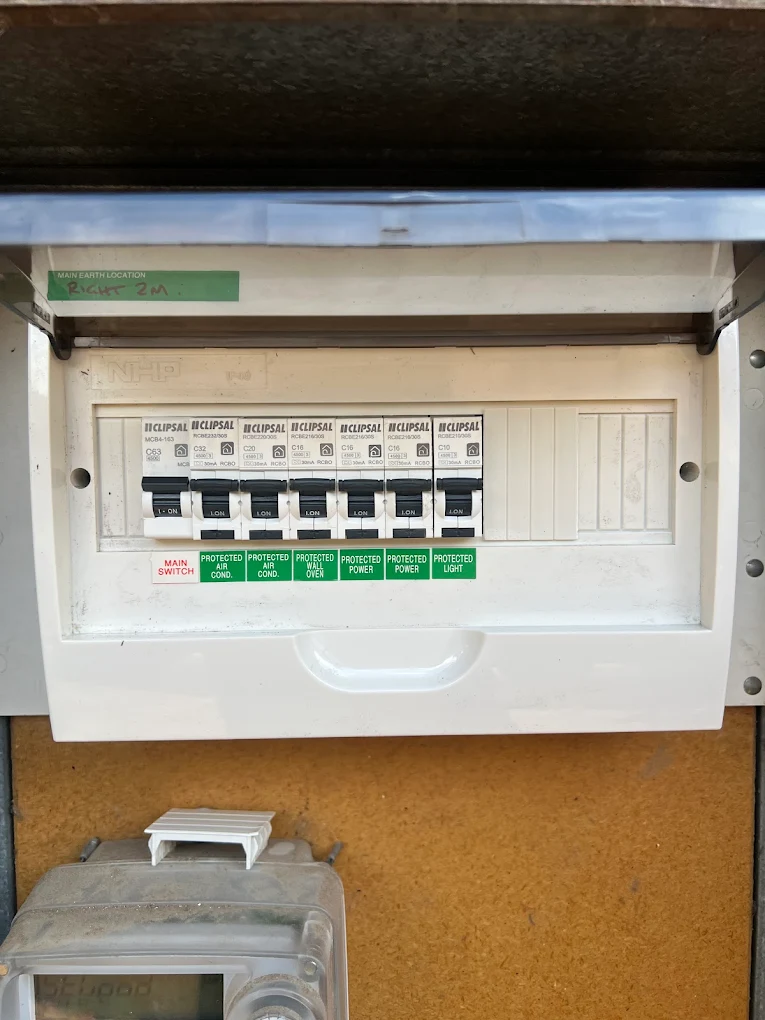
A properly installed switchboard is the backbone of your home’s electrical system, ensuring safety, reliability, and compliance with Australian regulations. Professional switchboard installation prevents electrical hazards, supports modern energy demands, and protects your property. Goldworks Electrical provides a detailed 2026 guide covering types of switchboards, installation steps, upgrades, maintenance, and safety considerations for Australian homes.
Why Switchboard Installation Matters
Switchboards distribute electricity safely to all circuits in your home. Faulty, outdated, or poorly installed switchboards can lead to:
- Electrical hazards or fire risk
- Frequent circuit breaker trips
- Damage to appliances
- Non-compliance with Australian Standards
Upgrading or installing a switchboard ensures your home meets AS/NZS 3000 wiring rules, provides better protection, and supports increased electrical loads from modern appliances, EV chargers, and air conditioning systems.
Types of Switchboards
Different switchboards suit varying household needs. Common types include:
- Main Switchboard: Central distribution panel controlling all circuits.
- Sub-Panels: Secondary panels for specific areas or extensions.
- Residential vs. Commercial: Residential panels focus on safety and convenience; commercial panels handle higher loads and specialised circuits.
- Safety Switch Panels: Include Residual Current Devices (RCDs) to prevent electric shock.
- Circuit Breaker Panels: Replaces fuses, offering more convenient protection and reset options.
Goldworks Electrical assesses your home to determine the most appropriate switchboard type and configuration.
Signs You Need a Switchboard Upgrade
Homes often require a switchboard upgrade when:
- You have an older fuse board instead of circuit breakers.
- Frequent tripping of breakers occurs.
- You’re installing high-demand appliances like air conditioning or EV chargers.
- Your panel shows visible signs of wear, corrosion, or overheating.
- Your insurance requires compliance with modern safety standards.
A professional assessment from Goldworks Electrical can identify whether an upgrade or full replacement is necessary.
Electrical Requirements for Switchboard Installation
Safe switchboard installation must follow Australian Standards and best practices:
- Dedicated Circuits: Ensure high-demand appliances have dedicated circuits.
- Residual Current Devices (RCDs): Protect against electric shocks.
- Circuit Breakers: Appropriately rated for each circuit to prevent overloads.
- Proper Earthing: Essential for safe operation and compliance.
- Load Capacity Assessment: Ensures your system can handle current and future electrical needs.
Licensed electricians guarantee all these requirements are met, avoiding hazards and compliance issues.
Step-by-Step Switchboard Installation Process
Professional installation typically involves:
- Site Assessment: Evaluating existing panel, wiring, and electrical load.
- Design & Planning: Selecting the right switchboard type, RCDs, and circuit breakers.
- Power Isolation: Ensuring electricity is safely switched off before work begins.
- Old Panel Removal: Carefully removing outdated or faulty boards.
- Installation of New Switchboard: Mounting the board securely and connecting incoming and outgoing circuits.
- Wiring and Breaker Installation: Correctly connecting circuits to appropriate breakers and RCDs.
- Testing & Commissioning: Confirming all circuits function correctly and protection devices operate as intended.
- Customer Briefing: Showing homeowners how to operate breakers safely and reset trips if needed.
Goldworks Electrical ensures each step adheres to safety standards and minimises disruption to your home.
Switchboard Safety Features
Modern switchboards include several key safety elements:
- RCDs (Safety Switches): Automatically disconnect power in case of leakage current.
- Circuit Breakers: Trip when circuits overload, preventing fire or damage.
- Surge Protection Devices: Protect appliances from voltage spikes.
- Lockable Panels: Restrict access to prevent tampering, especially important in households with children.
Proper installation maximises these features, reducing risks in your home.
Maintenance After Installation
Regular maintenance extends the life and safety of your switchboard:
- Visual Inspections: Check for signs of wear, corrosion, or overheating.
- Professional Testing: Ensure RCDs and breakers function correctly annually.
- Load Management Checks: Adjust or upgrade circuits as electrical demands change.
- Cleanliness: Keep panels free from dust and moisture to prevent faults.
Goldworks Electrical offers ongoing maintenance services to maintain safety and compliance.
Common Mistakes to Avoid
- DIY installation or modifications to the panel
- Using undersized breakers or RCDs for circuits
- Ignoring earthing or grounding requirements
- Failing to upgrade panels when adding high-demand appliances
- Placing panels in damp or obstructed areas
Professional installation mitigates these risks and ensures long-term safety.
Cost Factors for Switchboard Installation
Costs vary depending on multiple factors:
- Type and Size of Panel: Larger panels with more circuits cost more.
- Existing Wiring Condition: Older homes may require rewiring.
- Safety Features: Adding surge protection, RCDs, or smart breakers increases cost.
- Labour Complexity: Difficult access or multiple sub-panels adds time.
- Regulatory Compliance: Ensuring installation meets AS/NZS standards may require additional work.
Obtaining quotes from licensed professionals like Goldworks Electrical ensures accurate budgeting.
When to Call a Professional
Switchboard installation involves high-voltage work and must comply with Australian Standards. Contact Goldworks Electrical for safe, reliable, and licensed installation. Experts assess your home, recommend the right board, and complete installation to ensure efficiency, safety, and compliance.
Conclusion
Professional switchboard installation protects your home, family, and appliances while meeting 2026 Australian standards. Choosing the correct panel, ensuring proper installation, and scheduling ongoing maintenance guarantees safety and reliability. Trust Goldworks Electrical to install, upgrade, and maintain your switchboard with expert care and compliance. Keep your home powered safely—schedule your switchboard installation today.
FAQ
Q1: How long does switchboard installation take?
Typically 4–8 hours depending on complexity and home size.
Q2: Can I upgrade my switchboard myself?
No—high-voltage work requires a licensed electrician for safety and compliance.
Q3: How often should switchboards be inspected?
Annual inspection is recommended, especially for older homes or after major electrical upgrades.
Q4: What signs indicate my switchboard needs replacement?
Frequent tripping, overheating, corrosion, outdated fuses, or adding high-demand appliances indicate a need for upgrade.