
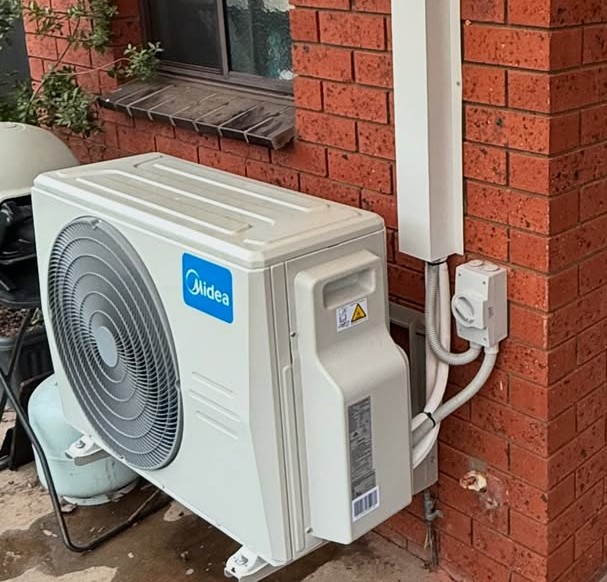
Keeping your home cool and comfortable during Australia’s hot months requires a properly installed air conditioning system. Professional AC installation ensures efficient cooling, energy savings, and compliance with safety standards. Goldworks Electrical provides a detailed guide on selecting, installing, and maintaining air conditioning systems in 2026.
Why Professional AC Installation Matters
Installing an AC system isn’t just about mounting a unit—it involves electrical work, refrigerant handling, and proper system setup. A professionally installed system:
- Ensures efficient cooling and energy usage
- Reduces risk of electrical hazards
- Extends the lifespan of the unit
- Complies with Australian Standards for safety and efficiency
Incorrect installation can lead to poor performance, high electricity bills, and frequent repairs.
Types of Air Conditioning Systems
Selecting the right type of air conditioner depends on your home size, layout, and cooling needs. Common types include:
- Split-System AC: Wall-mounted indoor unit with outdoor compressor; ideal for single rooms or open-plan living areas.
- Ducted AC: Centralised system distributing cooled air through ducts; suitable for whole-home climate control.
- Portable AC: Mobile units; easy to set up but less efficient than permanent installations.
- Multi-Split AC: Multiple indoor units connected to a single outdoor unit; ideal for homes with several rooms.
- Reverse Cycle AC: Provides both cooling and heating; popular for year-round comfort.
Goldworks Electrical can advise which system best suits your home and lifestyle.
AC Installation Site Assessment
Before installation, a professional electrician or HVAC technician will assess your home to determine the optimal system size and placement:
- Room size and layout: Larger rooms require higher-capacity units.
- Sun exposure: Rooms with more sunlight may need more cooling power.
- Electrical capacity: Ensures your home can safely support the AC’s power requirements.
- Outdoor unit placement: Needs good airflow and easy maintenance access.
Proper assessment prevents future issues and maximises system efficiency.
Step-by-Step AC Installation Process
Here’s a typical professional AC installation workflow:
- Site Inspection: Technicians evaluate space, electrical supply, and structural considerations.
- Mounting Indoor Unit: Wall or ceiling installation using brackets; positioning ensures optimal airflow.
- Outdoor Unit Installation: Placed on a stable surface with clearance for airflow; sometimes mounted on walls or concrete pads.
- Electrical Connection: Unit connected to power supply and circuit breaker, following safety regulations.
- Refrigerant Piping: Lines connecting indoor and outdoor units are installed and vacuum-sealed to prevent leaks.
- System Charging: Refrigerant is added to meet manufacturer specifications for performance.
- Testing and Balancing: System is tested to confirm cooling efficiency, airflow, and correct operation.
- User Briefing: Homeowners are shown how to operate the system and perform basic maintenance.
Goldworks Electrical ensures every step meets Australian standards for safety and performance.
Factors That Affect AC Installation Cost
The cost of AC installation varies widely depending on system type, home size, and complexity. Key cost factors include:
- Unit type and capacity: Larger or ducted systems cost more.
- Electrical upgrades: Homes may require additional circuits or wiring.
- Installation complexity: Difficult wall mounting or ductwork adds labour costs.
- Location: Urban vs. regional installation fees may differ.
- Additional features: Smart thermostats, zoning controls, and energy-efficient units increase costs.
Obtaining quotes from licensed professionals like Goldworks Electrical helps you budget accurately.
DIY vs. Professional Installation
While portable AC units can be plugged in and used without professional help, most permanent systems require licensed installation. DIY installation risks:
- Improper refrigerant handling
- Electrical hazards
- Void warranties
- Reduced system efficiency
A professional ensures compliance with Australian Standards AS/NZS 3823 and AS/NZS 60335 for electrical safety.
Maintenance After AC Installation
Routine maintenance keeps your AC system running efficiently:
- Clean or replace filters monthly for optimal airflow
- Check refrigerant levels annually
- Inspect electrical connections and insulation
- Clear debris around outdoor units
- Professional servicing every 1–2 years
Goldworks Electrical provides maintenance services to prevent breakdowns and maintain energy efficiency.
Energy Efficiency and Compliance
Australia has strict energy efficiency requirements:
- Energy Rating Label: Indicates cooling efficiency; higher stars save electricity.
- Refrigerant Compliance: Only licensed technicians can handle environmentally regulated refrigerants.
- Zoning and Smart Controls: Allow targeted cooling, reducing energy consumption.
A properly installed and maintained system lowers bills and meets government regulations.
Common AC Installation Mistakes to Avoid
- Installing the indoor unit too close to obstructions
- Incorrect refrigerant charging
- Poor electrical connection or lack of dedicated circuit
- Outdoor unit placed in low airflow or shaded areas
- Ignoring manufacturer installation guidelines
Goldworks Electrical ensures installations are precise, avoiding these common errors.
When to Call a Professional
For AC installation, always engage a licensed technician. Goldworks Electrical provides safe, reliable service, ensures energy efficiency, and guarantees compliance with Australian Standards. Contact them for a free consultation, system assessment, or full installation service to enjoy worry-free cooling.
Conclusion
Proper AC installation ensures comfort, energy efficiency, and safety for your Australian home in 2026. Choosing the right system, professional installation, and ongoing maintenance are essential for long-term performance. Trust Goldworks Electrical to install, maintain, and optimise your air conditioning system. Ensure your home stays cool and efficient—schedule your AC installation today.
FAQ
Q1: How long does AC installation take?
Typically, 4–8 hours depending on system type and home complexity.
Q2: Can I install AC myself?
Portable units may be DIY, but permanent installations require licensed electricians for safety and compliance.
Q3: How much does AC installation cost?
Costs vary based on system type, size, and installation complexity; obtaining quotes from professionals ensures accurate budgeting.
Q4: How often should AC systems be serviced?
Professional servicing every 1–2 years, with regular filter cleaning, ensures efficiency and longevity.