
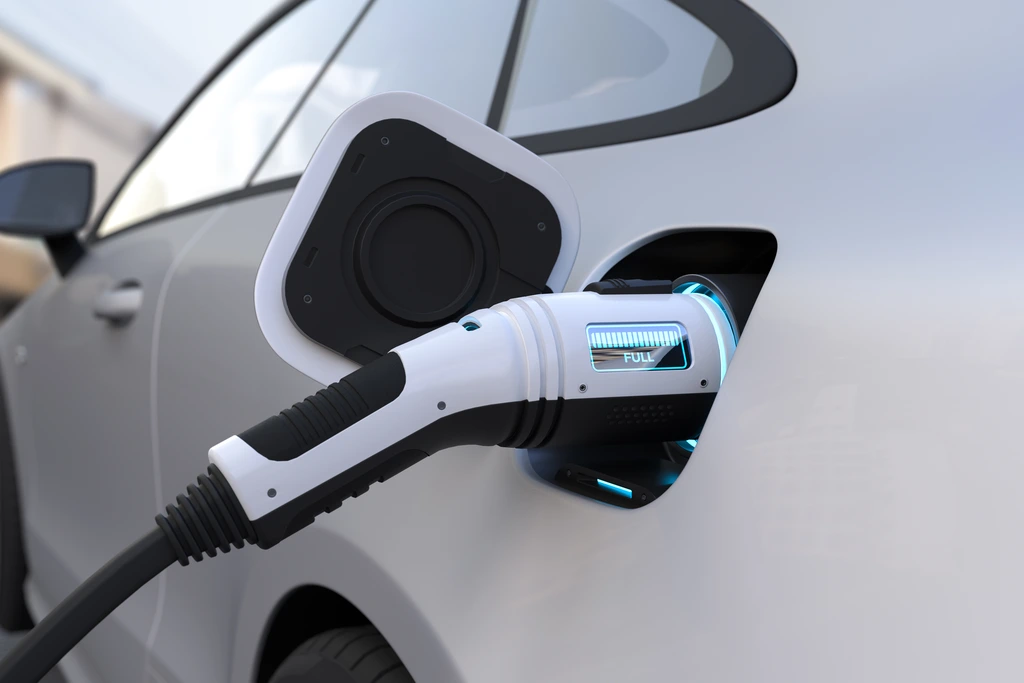
Installing an electric vehicle charger at home can make owning an EV more convenient, affordable and practical. Before installation, you need to consider your home’s electrical capacity, charger type, switchboard condition, cable placement and compliance requirements. A licensed electrician can assess your property and install a safe, reliable charging solution.
As more Melbourne households move towards electric vehicles, many homeowners are looking for reliable ways to charge overnight without depending on public charging stations. However, choosing the right charger is not just about buying a unit and mounting it on a wall. Your home’s existing electrical system needs to safely support the additional demand.
If you are wondering What to Know Before Installing a Home EV Charger, understanding the installation process, safety requirements and available options will help you make a confident decision. Goldworks Electrical helps Melbourne homeowners prepare their properties for modern EV charging with practical electrical advice and professional installation solutions.
Understanding How Home EV Chargers Work
A home EV charger supplies power from your home’s electrical system directly to your vehicle’s battery. While some EV owners use a standard powerpoint, a dedicated charger provides faster charging, improved safety and greater convenience for regular driving.
Most homeowners choose a Level 2 charger because it can deliver significantly more power than a standard outlet. These chargers are commonly installed in garages, carports or suitable outdoor locations close to where the vehicle is parked.
The best charging setup depends on several factors, including your vehicle model, daily driving habits, available electrical capacity and whether you have solar panels installed.
What to Know Before Installing a Home EV Charger in Melbourne
Before choosing an EV charger, you should consider the following:
- Your home’s electrical capacity: An electrician will check your switchboard, available circuits and overall supply capacity to determine whether your property can support an EV charger.
- Charger location: The distance between your switchboard and parking area affects installation complexity, cable requirements and overall costs.
- Charging speed requirements: A 7kW charger may suit many households, while larger properties or drivers with higher mileage may benefit from different solutions.
- Solar compatibility: Smart chargers can work alongside solar systems, helping you use more of your own renewable energy.
- Future needs: If you plan to purchase another EV or increase electricity usage, your electrical setup should allow room for future upgrades.
A professional assessment before installation helps prevent unexpected issues and ensures your charging system is designed around your home’s needs. (Regen Power)
Choosing the Right EV Charger for Your Home
Not every EV charger suits every household. The right option depends on how often you drive, how quickly you need charging and your home’s electrical setup.
A standard Level 1 charging option uses a regular powerpoint and may work for drivers with short daily commutes. However, charging times can be much longer compared with a dedicated wall-mounted charger.
A Level 2 charger is generally the preferred choice for homeowners who rely on their EV every day. These systems use a dedicated circuit and can provide faster charging overnight, allowing many drivers to start each morning with a full battery.
You should also consider whether you want features such as:
- Smart charging schedules
- Mobile app monitoring
- Solar energy integration
- Energy usage tracking
- Load management features
A qualified electrician can help match the charger to your vehicle and household requirements instead of recommending a system that may not provide the best long-term value.
Does Your Switchboard Need Upgrading for an EV Charger?
One of the most important steps before installation is checking your existing switchboard. Older Melbourne homes, particularly properties built many years ago, may not have enough capacity or available space for a dedicated EV charging circuit.
During an assessment, an electrician may inspect:
- Switchboard condition and available space
- Existing electrical loads
- Safety switches and circuit protection
- Power supply capacity
- Cable routes between the switchboard and charger location
Not every home requires an upgrade. Some properties already have suitable electrical infrastructure, while others may need improvements before an EV charger can be safely installed.
Avoid assuming your home is ready based only on the age of your EV or charger. A proper electrical assessment ensures the installation meets safety expectations and performs reliably.
Safety Requirements for Home EV Charger Installation
Electrical safety is a major consideration when installing an EV charger. In Victoria, EV charger installation must be completed by a licensed electrician and comply with relevant electrical safety requirements. Installations also need appropriate testing and certification where required. (The Quote Yard)
Australian electrical standards, including AS/NZS 3000 Wiring Rules, provide guidelines for safe electrical installations. These requirements help ensure chargers are installed with suitable protection, correct wiring methods and safe operating conditions. (Gridly)
Attempting DIY electrical work can create serious safety risks and may affect insurance coverage, equipment warranties and compliance. A professional installation provides peace of mind that your charger is connected correctly and ready for everyday use.
How Much Does Installing a Home EV Charger Cost?
The cost of an EV charger installation varies depending on your home’s layout, charger selection and electrical requirements.
Factors that can influence the price include:
- The type and brand of charger selected
- Distance between the switchboard and parking location
- Need for additional cabling or conduit
- Switchboard upgrades
- Single-phase or three-phase power requirements
- Additional smart energy features
A straightforward installation may be relatively simple, while homes requiring upgrades or longer cable runs may involve additional electrical work. Getting an accurate assessment from a qualified electrician is the best way to understand the expected costs for your property. (Zero Energy Australia)
Why Professional Installation Makes a Difference
A home EV charger is a long-term investment that you will rely on regularly. Professional installation ensures the charger is positioned correctly, connected safely and configured to work efficiently with your electrical system.
Goldworks Electrical understands the requirements of Melbourne homes and provides tailored electrical solutions based on each property’s existing setup. Whether you live in an older home requiring electrical improvements or a newer property ready for smart charging, a detailed assessment helps create the right solution.
A quality installation is not only about getting power to your vehicle. It is about creating a safe charging system that works reliably for years.
When to Call a Professional
You should contact Goldworks Electrical before purchasing or installing a home EV charger if you are unsure about your home’s electrical capacity, charger selection or installation requirements.
A professional electrician can inspect your switchboard, discuss suitable charging options and recommend the safest approach for your Melbourne property. Getting expert advice early can help you avoid unnecessary costs and ensure your EV charger installation is completed correctly from the beginning.
Conclusion
Installing an EV charger at home can make electric vehicle ownership easier, more convenient and more cost-effective. However, choosing the right charger involves more than selecting a product. Your electrical system, charging needs and safety requirements all need to be considered.
Understanding What to Know Before Installing a Home EV Charger helps you prepare your property and make informed decisions. For professional EV charger installation and electrical advice in Melbourne, contact Goldworks Electrical for a safe and reliable charging solution.
Frequently Asked Questions
Can I install an EV charger myself at home?
No. Fixed EV charger installations must be completed by a licensed electrician. Professional installation ensures the system meets Australian electrical safety requirements and operates safely. Do I need to upgrade my switchboard before installing an EV charger?
Not always. Some homes have enough capacity already, while others may require switchboard improvements or load management solutions. An electrician can assess your existing system.
How long does a home EV charger installation take?
A standard installation may often be completed within a few hours. More complex jobs involving longer cable runs or electrical upgrades can take longer depending on the property requirements.
Is a home EV charger worth installing in Melbourne?
For many EV owners, a home charger provides greater convenience by allowing overnight charging and reducing reliance on public charging stations. The value depends on your driving habits, electricity setup and vehicle requirements.