
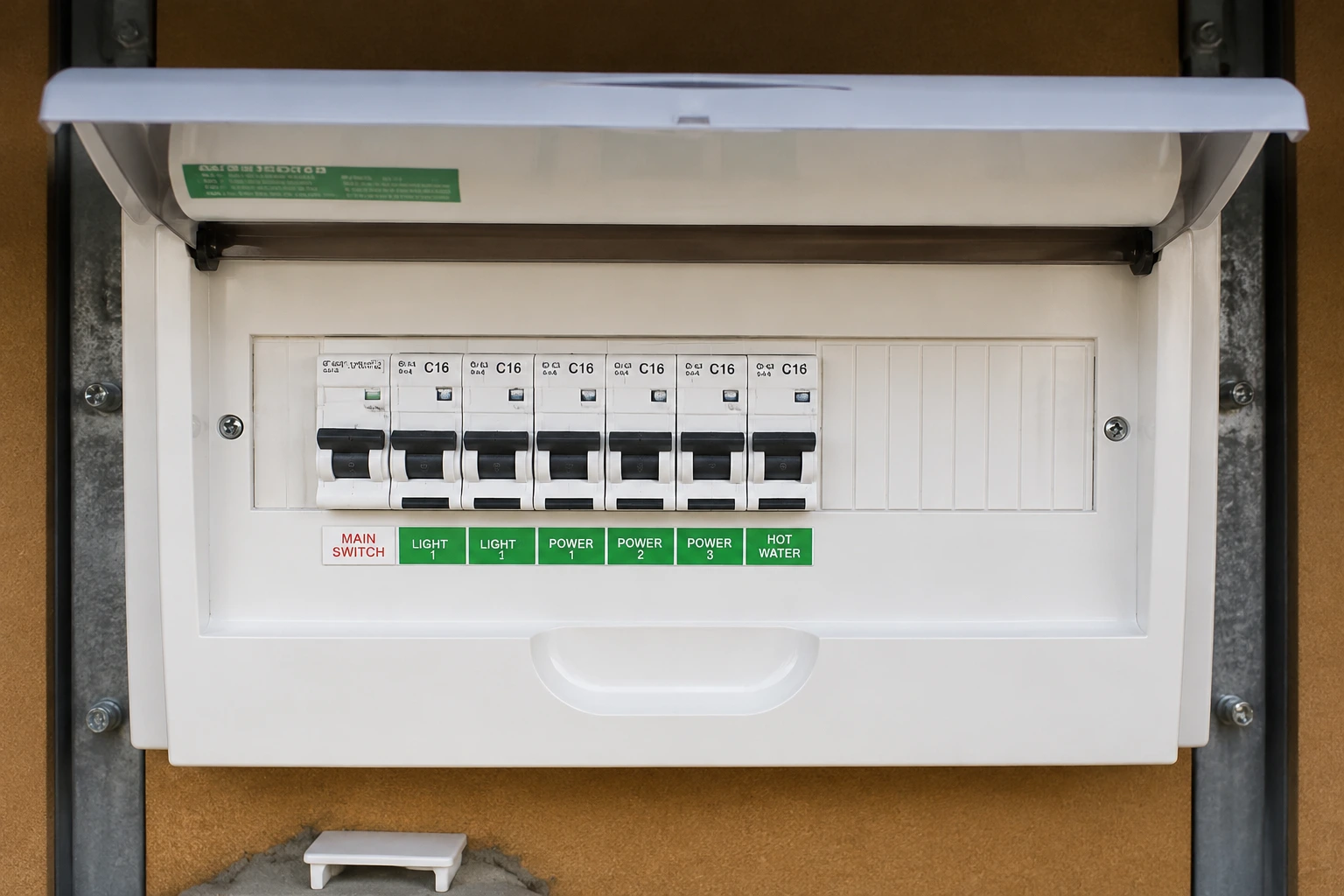
In many Melbourne homes, electrical demand has changed far more quickly than the switchboard behind the scenes. Renovated kitchens, reverse-cycle air conditioners, home offices, induction cooktops and EV chargers all place greater pressure on systems that may have been installed years or even decades ago. While everything may appear to work normally, ageing electrical infrastructure often goes unnoticed until improvement work begins.
Switchboard upgrades are often recommended when older electrical systems need to safely support today’s household demands. Planning the upgrade is only one part of the process. What many homeowners overlook is how their own actions before and during the work can influence safety. A little preparation helps avoid unnecessary risks, protects valuable electronics, and allows electricians to complete the project efficiently without unexpected interruptions.
Whether you live in a weatherboard house in the inner suburbs, a modern townhouse in the south-east, or a growing family home on Melbourne’s outskirts, every property presents different electrical conditions. Knowing what to expect makes the experience smoother while reducing stress for everyone involved.
Prepare Before Switchboard Installation
Every switchboard sits in a different environment. In Melbourne, one home may have the switchboard inside a narrow laundry, while another has it mounted outside where years of rain, dust and changing temperatures have taken their toll. Reviewing your property’s layout before work begins helps prevent unnecessary delays and create a safer workspace.
Good preparation is not about helping the electrician do their job. It is about reducing risks inside your own home before switchboard upgrades begin. A clear work area allows the installation to move efficiently while keeping family members away from electrical equipment during the upgrade.
Before work starts, it helps to:
- Move bins, ladders and stored household items away from the switchboard.
- Tell everyone in the house when electricity will be unavailable.
- Keep pets inside or in another secure area while work is underway.
- Charge essential devices if someone works or studies from home.
Simple preparation also makes daily life easier. If someone works from home or attends online classes, arranging an alternative location for a few hours avoids unnecessary disruption.
Get Familiar With Your Switchboard
Most homeowners only notice their switchboard when something goes wrong. A planned upgrade is different because it allows you to make the area safer before future electrical demand increases. Whether you’re installing reverse-cycle air conditioning, upgrading the kitchen or preparing for an EV charger, understanding how a modern switchboard supports those changes helps you use it more confidently.
The table below outlines a few simple steps that improve safety before work begins.
table:
Before the Upgrade | Why It Improves Safety |
Clear access around the switchboard | Prevents trips and allows safe movement for electricians. |
| Disconnect sensitive electronics | Reduces the risk of damage when power is restored. |
| Plan around power interruptions | Minimizes disruption to work, study, and essential household activities. |
Secure children and pets | Keeps them away from active electrical work areas. |
| Confirm future electrical needs | Helps avoid another switchboard upgrade as your home’s electrical demand grows. |
Treat the upgrade as an opportunity to prepare your home for the next decade rather than simply replacing ageing equipment. Planning Switchboard Upgrades carefully today often prevents unnecessary electrical work later.
Electrical Safety Inspection Essentials
An inspection before work begins is often where hidden issues are uncovered. Melbourne’s older homes may have surprises like undocumented wiring or ageing insulation. Recognizing these early can reassure you that the upgrade will be safer and more reliable, giving peace of mind.
For example, older Melbourne properties often reveal surprises once electricians inspect the existing system. Previous renovations may have left undocumented wiring changes, ageing insulation, or additional circuits installed years apart. In many Melbourne homes, original wiring still sits behind renovated kitchens, home extensions, or converted garages. Identifying these hidden conditions before work begins allows the upgrade to proceed more safely and with fewer unexpected delays.
Rather than viewing the inspection as another item on the checklist, think of it as an opportunity to understand your property’s electrical condition more clearly.
During the inspection, electricians commonly assess:
- The condition of existing cables and protective devices.
- Available capacity for future appliances or renovations.
- Evidence of overheating or previous electrical faults.
- Compliance with current Australian electrical requirements.
- Whether additional work, such as an electrical wiring upgrade, should be completed alongside the project.
Taking this broader approach often reduces future disruption because related electrical improvements, including an electrical panel upgrade, can be planned together rather than requiring multiple visits after switchboard upgrades.
All switchboard work should be completed by a licensed electrician in accordance with the AS/NZS 3000 Wiring Rules and applicable Victorian electrical safety requirements.
Plan Around Electrical Switchboard Upgrade
The biggest inconvenience during an electrical switchboard upgrade is rarely the electrical work itself. It is the small everyday routines that suddenly stop. Garage doors may not operate, internet routers may switch off, security cameras may lose power, and refrigerated groceries may become a concern if the outage lasts longer than expected.
If your property is undergoing switchboard upgrades, treat the day as you would any other scheduled home improvement. Knowing what will temporarily stop working allows you to organize daily routines without last-minute stress, making the process smoother for everyone involved.
A few practical preparations can make a noticeable difference:
- Finish online meetings before power is isolated.
- Keep freezer and fridge doors closed as much as possible.
- Park outside if your garage door relies on electricity.
- Have a torch available if the weather becomes overcast.
Melbourne’s weather can change quickly, even within a single afternoon. During hot summer days or chilly winter mornings, planning around heating and cooling systems helps keep your household comfortable while electricity is temporarily unavailable.
When Switchboard Replacement Is Complete
When the electricity comes back on, resist the temptation to rush through the house turning everything on at once. Giving the new system a few moments to settle allows you to check that each circuit is operating as expected and makes it easier to notice any unusual behavior.
Walk through the property one area at a time. Check lighting, power points, smoke alarms, garage doors and outdoor circuits before returning to normal routines. If anything seems unusual, report it immediately instead of assuming it will correct itself later.
If your project included an electrical switchboard replacement, request a clear explanation of any new labels, additional circuits, or spare capacity installed for future improvements, such as solar panels, battery storage, or an EV charger. These conversations provide practical knowledge that many homeowners overlook.
Remember that switchboard upgrades should continue supporting your lifestyle as your electrical needs change. If you later install new air conditioning, renovate the kitchen, or create a home office, discussing those changes with a licensed electrician helps ensure your system continues operating safely.
Conclusion
Every Melbourne home uses electricity differently, so residential switchboard upgrades should always be tailored to the property’s layout, future electrical needs, and daily lifestyle. Understanding your property’s layout, preparing for the temporary outage, and planning for future electrical needs all contribute to a safer installation and a more reliable electrical system.
If you’re planning a home switchboard upgrade or want professional advice about your property’s electrical system, contact Goldworks Electrical today. Their experienced team can assess your existing setup, recommend the right solution, and complete the work safely for residential and commercial properties alike.
Frequently Asked Questions
1. How do I know if my switchboard is no longer suitable for Switchboard Upgrades?
Frequent circuit trips, ceramic fuses, flickering lights, burning smells, or difficulty running several appliances simultaneously often indicate that your electrical system needs a professional assessment. A licensed electrician can determine whether upgrading is the safest long-term solution.
2. Can I stay at home during Switchboard Upgrades?
Yes, in most situations you can remain at home while work is carried out. However, electricity will be disconnected for part of the project, so planning around work, cooking, internet access, and heating or cooling is recommended.
3. Is a fuse box upgrade the same as replacing a switchboard?
A fuse box upgrade usually forms part of a complete switchboard improvement. Modern systems replace old ceramic fuses with circuit breakers and safety switches, providing stronger protection and better compatibility with today’s electrical demands during switchboard upgrades.
4. Should I plan future electrical additions before the upgrade?
Yes. If you’re considering solar panels, battery storage, an EV charger, a pool, or a home extension, mention those plans before switchboard upgrades begin. Designing the switchboard around future electrical demand can save time and money and reduce the need for unnecessary modifications later.
5. Does every older Melbourne home require Switchboard Upgrades?
Not always. Some properties remain suitable after inspection, while others require a switchboard replacement due to aging components, outdated protection, or increased electrical usage resulting from renovations and modern appliance installations.
6. How often should my home’s electrical system be checked?
There is no single timeframe for every property. Homes with ageing wiring, recent renovations, heavy appliance use, or recurring electrical issues benefit from regular professional inspections to identify developing problems before they become costly safety risks and determine whether switchboard upgrades are necessary.