
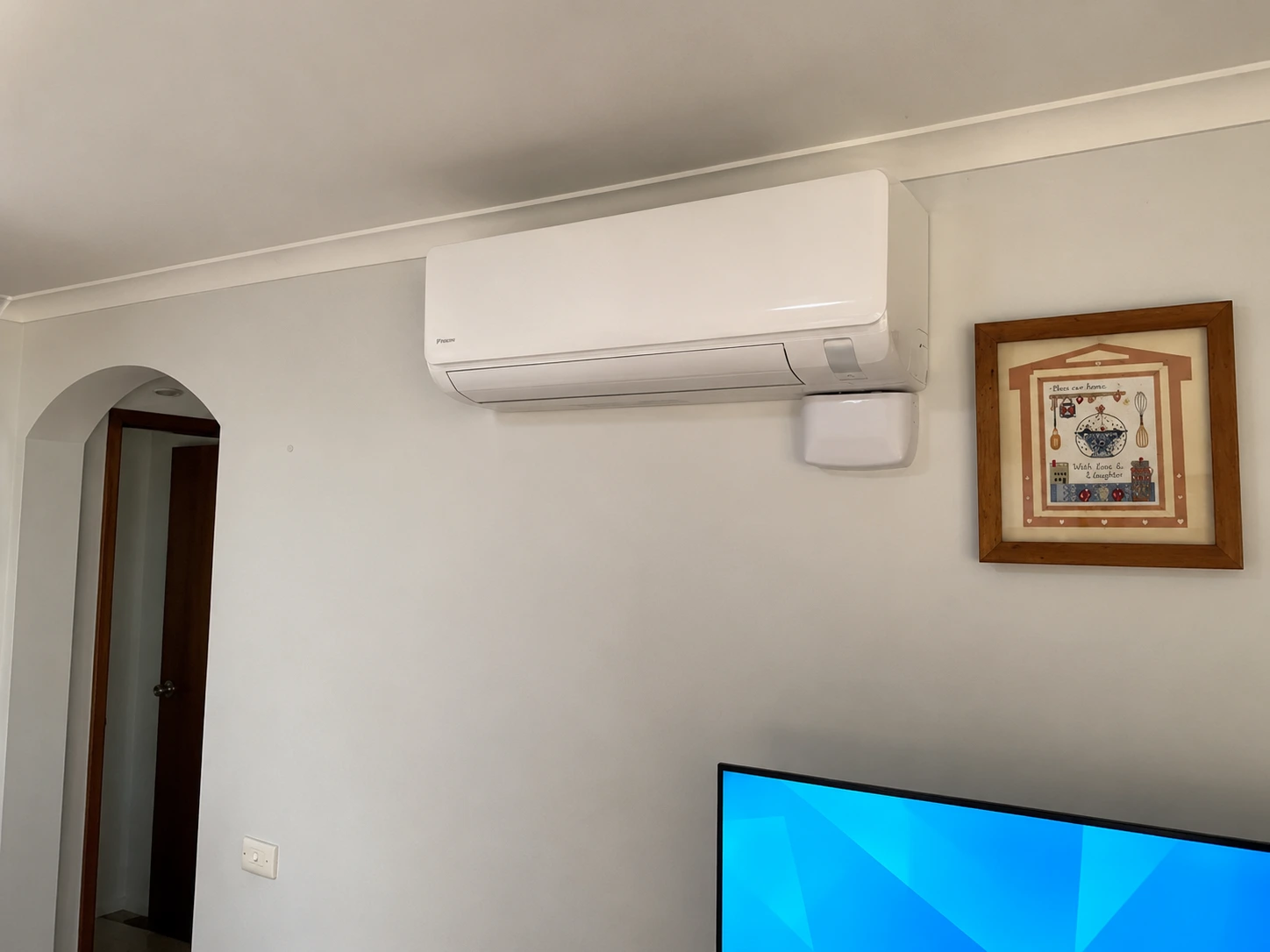
Fitting high-performance residential air conditioning has turned into a mandatory standard for properties across Melbourne. Our unstable southern weather serves up blazing summer spikes, wild noon-to-night temperature drops, and oppressive indoor humidity traps. Because of these harsh swings, holding a rock-solid home cooling layout is the baseline rule for keeping your family relaxed 365 days a year.
An intelligently mapped air conditioning system executes miles of heavier lifting than just dropping your basic room temp. It drives fresh internal air cycling, filters out micro-particles, and sets up an ultra-premium, liveable domestic sanctuary. What’s more, current-gen star-rated hardware runs lightyears leaner than old power-hungry boxes, stripping massive utility overheads out of your household ledger.
Investing in premium residential air conditioning also drops a huge operational burden onto your household’s overall focus and wellness. Maintaining crisp room metrics shields your family from restless nights, spikes daily remote-work productivity, and keeps your entire living space beautifully relaxed.
The catch is that securing a perfect runtime hinges 100% on a seamless air conditioning installation pass, structured air conditioner maintenance tracks, and disciplined user habits. Getting a true handle on these practical configuration shortcuts empowers your team to pull maximum thermodynamic velocity, system efficiency, and long-range capital asset preservation out of your hardware outlays.
Benefits of Residential Air Conditioning for Melbourne Homes
Running premium residential air conditioning serves up an absolute masterclass in spatial protection far past just surviving a brutal January heatwave. It unrolls a perfectly flat, climate-insulated barrier that holds your internal rooms flawlessly, no matter what kind of weather chaos crashes outside the glass.
The primary engineering dividend here is precise thermal targeting. Holding uniform cooling loops completely deletes sticky dead zones and hot pockets from your room layouts. The immediate result is that your main lounges, master wings, and study zones stay perfectly balanced when the outdoor mercury spikes.
A major secondary win focuses squarely on structural microbial management. A huge percentage of current systems pack high-density medical-grade filtration grids to scrub out background pollen, fine silica dust, and external pollutants, keeping your breathing tracks perfectly clean and crisp.
Baseline running costs are continuously flattening out due to high-performance cooling solutions hitting the market today. Modern inverter-driven modules track internal heat loads in real time to squeeze down amp draws, allowing your family to run full climate comfort without watching your wallet take a hit.
To boot, keeping your residential air conditioning logs up to date heavily hardens your underlying real estate asset value. Serious house hunters actively skip over listings loaded with outdated infrastructure, meaning a documented, code-compliant air conditioning installation pass jacks up your broad-market street profile on real estate apps.
Essential Residential Air Conditioning Tips for Maximum Efficiency
Squeezing top-tier mechanical output from your residential air conditioning setup comes down to running a handful of practical, common-sense user guidelines. Making tiny tweaks to your daily operation turns out to be massive shifts in line velocity and daily power savings.
For starters, pick a logical set-and-forget number on your controller and leave it completely alone. Constantly shifting the dial up and down forces your compressor clutch into frantic, energy-guzzling over-cycles, while pinning a steady metric helps the motor stay inside its leanest running zone for residential air conditioning efficiency.
Next up, lock down your external building envelope by sealing all doors and perimeter window tracts while the blowers fire. This basic step stops your expensive chilled air mass from leaking out into the driveway, cutting out parasitic mechanical load completely and supporting stronger residential air conditioning performance.
Dropping your heavy blockout curtains or internal louvers also does immense lifting. Stripping raw solar radiation out of your rooms stops greenhouse heat loading inside the plaster boundaries. The direct payoff is that your fan coils loop current without battling intense thermal resistance. Simultaneously, clearing dead leaves away from the outdoor condenser coils optimizes your air movement channels, while brushing down the fan casings keeps the utility lines running flawlessly on autopilot.
A useful resource from the Australian Government’s energy efficiency guidance can provide additional information about reducing household energy consumption through smarter cooling practices.
Quick Efficiency Checklist
Tip | Benefit |
| Maintain steady thermostat settings | Improved energy efficiency |
Close windows and doors | Better cooling retention |
| Clean filters regularly | Enhanced airflow |
Use curtains during hot days | Reduced heat gain |
| Schedule AC maintenance | Longer system lifespan |
Why Air Conditioner Maintenance Matters
Keeping a disciplined eye on your regular air conditioner maintenance schedules is the absolute cornerstone of responsible residential air conditioning ownership. Even top-tier Japanese or European systems will suffer progressive capacity drops and compressor fatigue if you treat your hardware logs with neglect.
Clogged, dusty filter mats heavily throttle your static loop pressure and force the main fan motors to draw double the current just to shift air. This restriction destroys your cooling performance while sending your quarterly electricity outlays straight through the roof, vulnerabilities that a fast ten-minute wash completely cuts out.
Arranging specialized AC maintenance opens the perfect window to pressure-test your whole system blueprint. Minor structural anomalies like a slow gas weep or a loose fan blade are easy to fix early, preventing them from mutating into a catastrophic mechanical blowout that lurches your compressor, which is why logging brief checks for residential air conditioning systems flattens your long-range trade bills.
Simultaneously, staying regular with your air conditioner maintenance strips background mold spores and dust accumulation straight out of the drip trays to keep your internal airflow tracks pristine, helping residential air conditioning equipment maintain cleaner and more reliable operation.
To add to that, holding an immaculate servicing history stretches your hardware lifespan metrics out to the absolute max. Families who stick to a rolling contract matrix get to enjoy pristine, zero-maintenance runtime season after season through residential air conditioning upkeep, letting you push a costly complete asset replacement invoice decades down your spreadsheet.
Choosing the Right Air Conditioning System
Handpicking the exact engineered air conditioning system framework for your property profile entirely removes future tech frustration. No two footprints carry identical solar loading, requiring your team to size the hardware to match your specific wall angles, volume targets, and room transit frequencies for optimal residential air conditioning performance.
Wall-mounted inverter split setups stay positioned as local market favorites because they deliver rapid, independent climate targeting for single zones. They function as an excellent, high-velocity play for compact apartments or isolating a dedicated home workspace, making them a practical residential air conditioning solution.
Central ducted networks, flip the ledger, serve up a comprehensive, hidden whole-property climate blueprint. While your upfront trade procurement capital is bound to be heavier, these multi-zone configurations unroll pristine, silent luxury right through the ceiling vents, elevating the overall residential air conditioning experience.
Make sure to audit the official star labels before signing off on a unit, as backing premium high-efficiency models ensures your system sips power beautifully while turning out elite home cooling output.
The following comparison highlights common options:
System Type | Best For | Key Advantage |
| Split System | Single rooms | Cost-effective cooling |
Multi-Split System | Multiple rooms | Flexible zoning |
| Ducted System | Entire homes | Whole-home comfort |
Professional air conditioning installation ensures proper sizing and placement. Consequently, the system can operate efficiently from day one.
Common Residential Air Conditioning Mistakes to Avoid
Many homeowners unintentionally reduce system efficiency through simple mistakes. Fortunately, most of these issues are easy to prevent.
Oversized units often cycle on and off too frequently. Cycling your hardware blindly destroys your system’s thermodynamic efficiency and accelerates mechanical bearing wear. In the exact same way, buying a cut-price, low-kilowatt box forces the motor to stay locked on 100% load just to handle a standard hot afternoon. Turning a blind eye to dusty return grilles is another classic failure path that starves the heat exchanger and loads unneeded strain onto your fan shafts.
Slapping your central controller onto a wall that cops direct afternoon sun or sits too close to kitchen appliances completely tricks the internal temperature data. This poor logic triggers short-cycling issues, while dodging your regular AC maintenance intervals dumps massive operational risk onto your ledger. Leaving minor electrical connection faults to cook down in the dark guarantees a total system breakdown when the peak summer heat waves lock down the city.
What’s more, shoving high-back couches or bedroom wardrobes straight over your floor completely throttles your internal air transit lines. Keeping all your discharge grilles clear and wide open enables your whole residential air conditioning network to drive clean current loops and hit its target metrics with zero resistance.
Conclusion
Upgrading your home infrastructure with specialized residential air conditioning unlocks a massive multi-layered dividend for your family, combining bone-deep relaxation, flat utility outlays, and pristine indoor liveability. Current layouts drive out airborne pollutants natively while anchoring rock-flat, predictable interior temperatures across our highly volatile southern climate swings.
Sticking to a disciplined air conditioner maintenance schedule, backing a certified, code-compliant air conditioning installation rough-in, and practicing clean user steps are what unlock flawless field metrics. To add to that, matching the exact brand blueprint to your floor space locks down unyielding component lifecycles and permanent cash savings.
Gambling with your family’s daily climate metrics is a surefire path to an absolute nightmare of a summer layout. Investing in high-fidelity cooling solutions completely rewrites your interior spatial identity, optimizes your rolling power footprint, and cuts out daily lifestyle friction completely on autopilot.
Contact us today – an Air conditioner qualified specialist in Melbourne to discuss Residential Air Conditioning options tailored to specific household needs. Get a quote today and discover how the right system can deliver dependable comfort throughout every season.
Frequently Asked Questions
1. How often should Residential Air Conditioning systems be serviced?
Tracking strict technical regulations shows that your residential air conditioning loops require a certified trade look-over every twelve months. Running a rapid diagnostic pass strips out background power waste, scrubs your internal air channels clean, neutralizes breakdown risks early, and expands your equipment’s multi-year structural lifespan while holding a pristine home cooling footprint through every season.
2. What is the biggest benefit of Residential Air Conditioning?
The ultimate masterstroke of investing in premium residential air conditioning centers squarely on holding flat, unyielding interior climate control. Current-generation hardware also sanitizes your breathing zones, clamps down on your rolling utility bills, strips sticky humidity out of the air, and builds a pristine domestic sanctuary to handle our highly erratic local weather shifts flawlessly.
3. Does air conditioner maintenance reduce energy costs?
Yes. Regular air conditioner maintenance helps systems operate efficiently. Clean filters, inspect components, and ensure proper airflow to reduce energy consumption, improve cooling performance, and help lower household electricity expenses over time.
4. How long does a home air conditioning system last?
If you leave a basic home air conditioning setup to manage its own wear, you will usually hit a hard replacement wall inside a decade. Flip the approach, and pairing meticulous AC maintenance with an initial high-fidelity air conditioning installation pass and smart operating steps stretches your mechanical component lifecycles out to the max.