
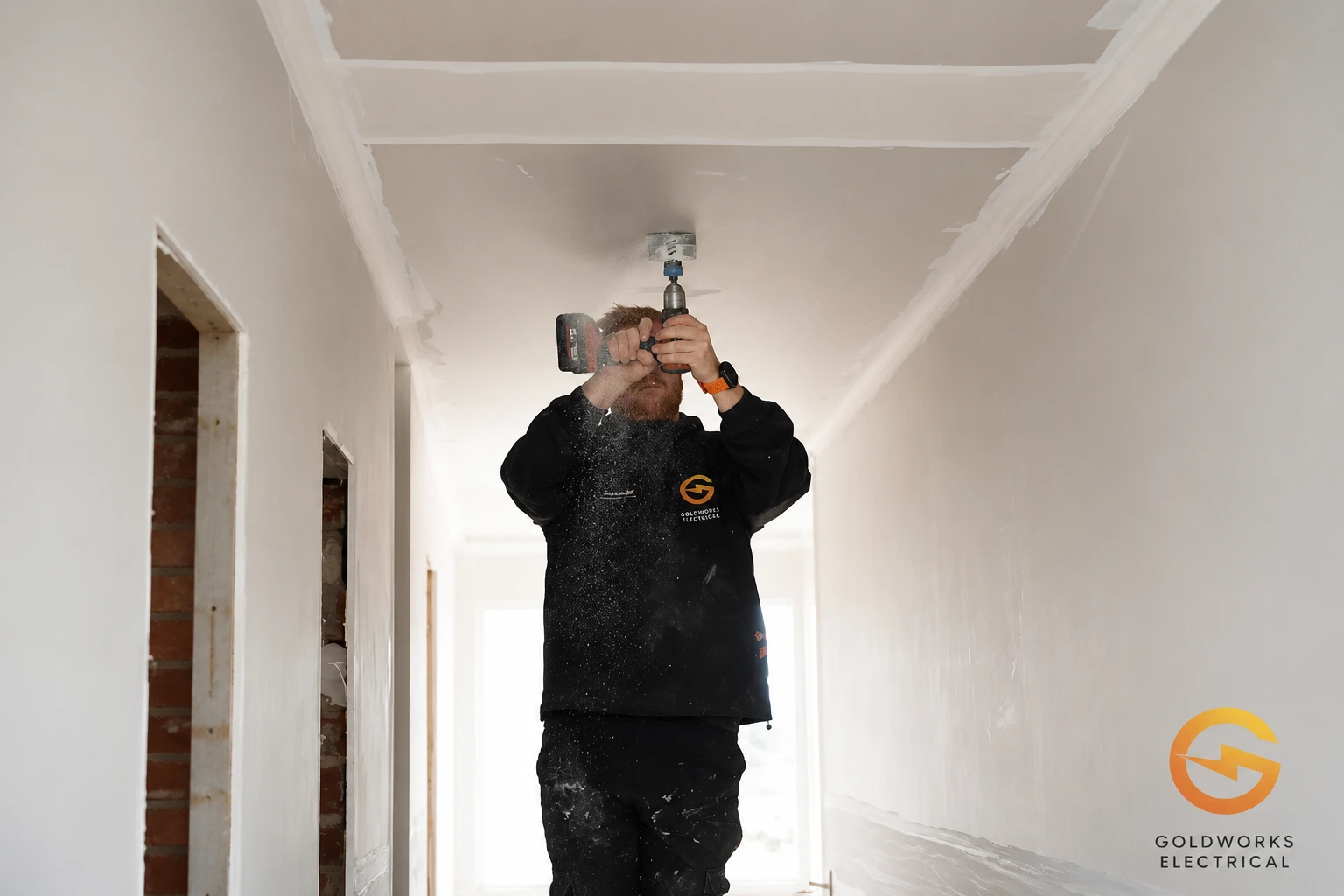
Sinking budget into high-end ceiling sensors is hands-down the single most critical move you can make to guard human life inside a building. The catch is that hundreds of local villas are sitting on absolute ticking time bombs due to sloppy, amateur smoke alarm installation habits.
A standard detector might look like a basic piece of plastic hardware, but a tiny millimeter error on the drafting layout completely kills its ability to track toxic fumes when a real structural crisis strikes.
Sub-circuit electrical blazes drop onto a household with absolutely zero warning loops. Because of that brutal speed, locking in a flawless smoke alarm installation is your absolute primary line of defense for shielding your family and protecting your home wealth. Most landowners obsess over reading retail product reviews, but your actual survival margin hinges entirely on surgical nozzle coordinates, seasonal care grids, and regular structural diagnostics.
Current-gen fire detection systems have completely broken performance boundaries over the past few seasons, packing in microsecond sensor relays and high-lux strobe grids to optimize your exit windows. Even so, basic, lazy placement blunders on site keep flattening these advanced hardware baselines. Cleaning up these common trade errors locks down an unbreachable protective canopy over your rooms while keeping your asset folder perfectly aligned with strict smoke alarm compliance standards.
This straightforward structural breakdown digs straight into the classic blind spots, clean trade fixes, and mandatory engineering checklists needed to execute a bulletproof smoke alarm installation across your property lines.
Installing Smoke Alarms in the Wrong Location
One of the most common mistakes involves poor smoke alarm placement during smoke alarm installation. Even the best device may fail when installed in the wrong area.
Smoke naturally rises. Because of simple thermodynamic fluid principles, smoke alarm installation modules must mount dead-flat against the plasterboard ceilings. Screwing a unit too close to a wall junction traps it in a dead-air pocket that severely starves the sensing chamber, while anchoring sensors near drafty window sliders, HVAC supply registers, or spinning fan blades actively blows toxic smoke streams away from the device completely.
Wet-area boundaries introduce massive operational friction to your safety grid. Heavy humidity clouds drifting from the shower rose will fool the optics into screaming a false alarm, while cooking grease and high-heat pan smoke from the oven lines trigger the exact same annoying nuisance loops if sensors are positioned incorrectly during smoke alarm installation.
Landing an audit-proof smoke alarm installation relies 100% on plotting explicit structural zones right across the floor plan. You need independent sensor drops hanging directly inside sleeping wings, primary exit corridors, and casual lounge rooms, while multi-story townhomes strictly require un-compromised terminal modules on every single deck.
Common Placement Errors
Mistake | Potential Risk |
Near windows | Smoke may bypass the alarm |
Close to fans | Airflow affects detection |
| Inside bathrooms | False alarms from steam |
| Too close to kitchens | Frequent nuisance alarms |
| Wall corners | Reduced smoke access |
Appropriate smoke alarm placement significantly improves fire detection performance and occupant safety.
Ignoring Smoke Alarm Compliance Standards
A shocking number of private flippers treat building regulations as a minor bureaucratic chore, but the reality is that current smoke alarm compliance standards serve as a strict, data-backed firewall built explicitly to squeeze fire liabilities out of our neighborhoods. Proper smoke alarm installation remains a key part of meeting these requirements.
Properties across town face incredibly tight statutory mandates dictating exact physical room coordinates, photoelectric cell designs, and mains power interfaces. Leaving legacy, yellowed standalone battery pods to rot on your ceilings completely breaches modern Victoria rental acts and leaves your asset framework exposed to severe structural failure. In many cases, outdated systems also fail modern smoke alarm installation requirements.
Booking a licensed trade sweep smokes out illegal wiring alterations and expired dates long before you run into an insurance dispute, especially since updated state mandates now explicitly require a unified grid of interconnected smoke alarms to achieve synchronized safety coverage. Professional inspections also help confirm that every smoke alarm installation meets current compliance standards.
According to Australian fire safety guidance, properly installed alarms dramatically improve survival rates during residential fires. Executing a fresh smoke alarm installation must track current AS 3786 manufacturing benchmarks flawlessly. Keeping your compliance stamps pristine doesn’t just insulate your family from toxic gas; it keeps your building insurance policy valid and satisfies your legal landlord liabilities at the table.
Skipping Professional Smoke Alarm Installation
Rushing into a casual retail store option to save a couple of subbie hours looks friendly on a basic budget sheet, but bypassing a ticketed tradesman almost always bakes structural blind spots straight into your plaster lines.
Paying for a certified professional smoke alarm installation hooks your real estate portfolio up to deep spatial layout logic, precise legal zoning knowledge, and optimal thermal sightline checks. On top of that, ticketed sparkies ensure all 240V hardwired connections satisfy rigid national wiring rules down to the millimeter.
Sloppy, bootleg cable joins are a huge catalyst behind system shorts, causing active sensors to drop completely offline right when you need them to trigger. Sourcing professional crews means every jumper line is tested under full load with digital multi-meters to confirm flawless performance.
Linking a multi-point grid of interconnected smoke alarms together demands serious high-voltage trade experience. This smart architectural architecture relies on an encrypted data wire or wireless RF link, forcing every single horn on the property to scream the absolute second a single sensor catches a spark, handing occupants in a remote rear bungalow those vital extra seconds to exit the boundary safely.
Benefits of professional smoke alarm installation include:
- Accurate positioning
- Compliance verification
- Reliable wiring
- System testing
- Long-term safety assurance
Neglecting Smoke Alarm Testing and Maintenance
The most expensive photoelectric cell matrix on the market turns into total junk if you let it sit untouched on a ceiling, yet an unbelievable volume of landlords completely ignore regular smoke alarm testing and maintenance after handover day. Even the best smoke alarm installation can lose effectiveness without ongoing care.
Drifting carpet fibers, fine house dust, and crawling bugs will gradually build up inside the outer mesh vents to choke the optic sensor. At the same time, the internal radioactive or light diodes naturally lose their baseline calibration over the quarters, rendering the device completely blind. Regular inspections help protect the performance of every smoke alarm installation.
Sticking to a structured schedule of smoke alarm testing verifies that your horn decibels and internal relays are tracking exactly to code. Factory manuals explicitly mandate punching the physical test toggle once every thirty days, alongside swapping out old backup lithium cells the exact second your multi-meter logs a pressure drop. This routine helps ensure reliable smoke alarm installation outcomes year after year.
True, high-yield smoke alarm maintenance goes a hell of a lot deeper than just popping a fresh plastic cell into the hatch. It requires vacuuming out fine insect nests from the chassis, auditing terminal strip resistance, and tracking manufacture date codes to guarantee absolute system uptime through the seasons. Proper servicing preserves the long-term value of every smoke alarm installation.
Essential Maintenance Schedule
Task | Recommended Frequency |
Smoke alarm testing | Monthly |
Battery check | Every 6 months |
| Cleaning | Every 6 months |
| Professional inspection | Annually |
| Alarm replacement | Every 10 years |
Consistent maintenance supports reliable home fire protection and ensures continued effectiveness.
Overlooking Interconnected Smoke Alarms
Current-gen architectural builds extract massive security from a fully unified link of interconnected smoke alarms, yet a shocking number of legacy character cottages are still relying on ancient, isolated plastic pods screwed into single rooms.
A classic single-point unit will only beep inside the kitchen while a bedroom door stays shut, completely ignoring the family sleeping down the hall. In sharp contrast, running high-performance interconnected smoke alarms fires a simultaneous alarm wave from the garage right to the master suite, hammering out an immediate, life-saving warning across the entire floor plan.
This feature becomes especially valuable in larger homes. Occupants sleeping in distant bedrooms may not hear a single alarm. Connected systems eliminate this concern.
Fire safety alarms that work together provide:
- Faster response times
- Improved evacuation awareness
- Enhanced family protection
- Better compliance outcomes
Smoke alarm installation plans should consider interconnected technology whenever possible. The additional protection often proves invaluable during emergencies.
Choosing the Wrong Type of Fire Detection Systems
Dropping a generic sensor into an awkward layout zone completely cripples your daily velocity, triggering constant, frustrating sirens while failing to track a real electrical short behind your plasterboard. Poor smoke alarm installation often creates these avoidable issues.
Separate engineering builds handle completely distinct combustion threats. Optic-chamber photoelectric systems stand out as the absolute king for tracking down slow, heavy smoldering upholstery or cable smoke, which is exactly why senior estimators mandate them across any modern home fire protection blueprint. Choosing the right device is a critical part of effective smoke alarm installation.
Picking the wrong ionic hardware ensures your frying pan will constantly set off the sirens, causing your tenants to get completely sick of the noise. The dangerous real-world fallout is that people start ripping units off their brackets or ignoring the sirens completely, cutting your home safety down to zero. Proper smoke alarm installation helps prevent these problems while improving overall fire protection.
Factors influencing alarm selection include:
- Property size
- Ceiling height
- Room usage
- Environmental conditions
- Compliance requirements
Choosing suitable fire safety alarms enhances reliability and supports stronger home fire protection.
Conclusion
At the end of the day, executing a high-performance smoke alarm installation demands a hell of a lot more trade craft than just driving two drywall screws into a ceiling sheet. Nailing your precise metric coordinates, staying completely up to speed with changing building codes, running systematic cleaning loops, and speccing the right optic hardware are the absolute keys to locking down a flawless security handover.
Cleaning up these classic layout blunders maximizes the response speed of your primary fire detection systems while keeping your property perfectly audit-proof against state smoke alarm compliance standards. Plus, sticking to a strict calendar of monthly smoke alarm testing and deep smoke alarm maintenance keeps your lines completely optimized for life.
Deploying an advanced matrix of interconnected smoke alarms drops a heavy defensive shield over your boundaries, pushing instantaneous warnings straight through every single room cavity. When you mesh this high-velocity logic with a certified professional smoke alarm installation, you turn out a flawlessly secure, low-risk sanctuary for your family and tenants 24 hours a day.
Protecting lives starts with making informed decisions today. Contact us today – a qualified smoke alarm specialist in Melbourne to assess current systems, improve compliance, and enhance home fire protection. Get a quote today and ensure every alarm performs when it matters most.
Frequently Asked Questions
1. Why is correct smoke alarm installation important?
This highly technical engineering branch uses digital multi-meters, thermal imaging cameras, and non-destructive smoke testers down to the absolute millimeter, giving your real estate an audit-proof structural shield that satisfies strict fire safety alarms regulations cleanly.
2. How often should smoke alarm testing be performed?
Running a fast, low-impact diagnostic sweep over your main din-rail connections traps low-voltage backup drops and corrosion spots before they can mutate into an absolute system blowout, driving your baseline home fire protection velocity straight to the absolute max.
3. What are interconnected smoke alarms?
Linking your ceiling layout into an automated communication loop ensures a laundry short-circuit instantly triggers the horn inside a closed master bedroom, entirely erasing blind spots from your property lines while protecting your family on autopilot.
4. When should smoke alarms be replaced?
Most smoke alarms should be replaced every ten years. Ageing sensors become less effective over time. Ripping out old, yellowed sensing pods that have passed their hard ten-year design deadline ensures your photoelectric cells hold pristine sensitivity levels while keeping your building perfectly code-compliant under strict Victoria rental laws.